We've sent you an email with a link to update your password.
Reset your password
We will send you an email to reset your password.
Featured post
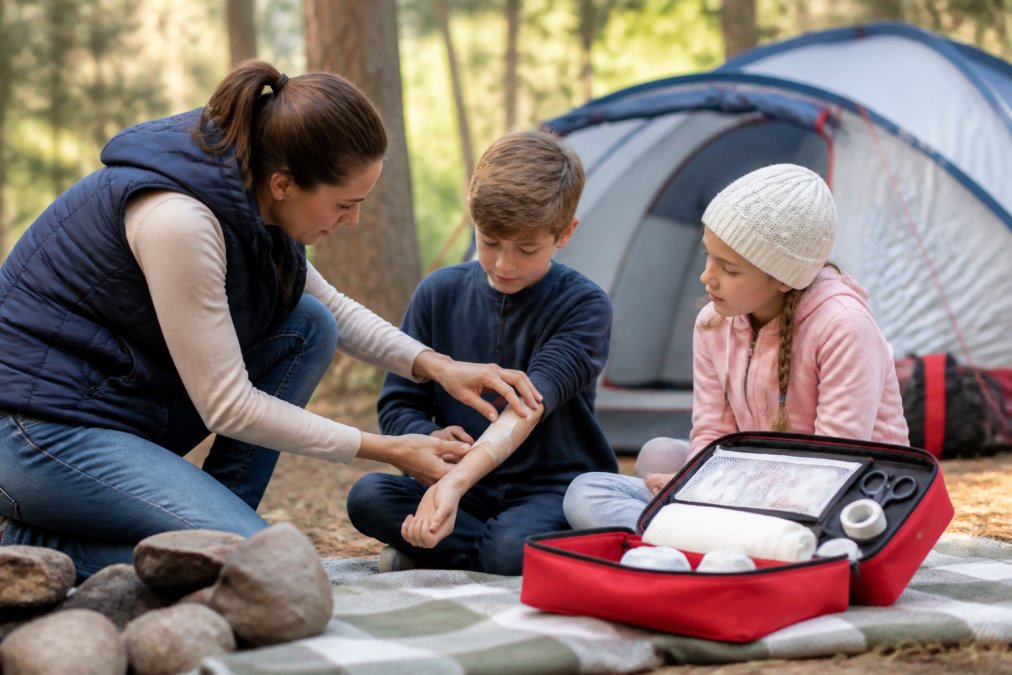
Essential Camping Safety Tips for Families
Editorial Team
0 comments
Essential camping safety tips for families: campsite boundaries, campfire and water safety, food storage, and first aid. Start planning your trip today.
How to Calculate Calories for Multi-Day Hiking Food
The best food for multi-day hiking trips is calorie-dense, lightweight, and built around your daily energy burn. Most backpackers need 2,500 to 4,500 calories per day, depending on pack weight, terrain, and body size. This guide breaks down how to hit that target without a food bag that doubles as a boulder.
The math starts with caloric density, or calories per ounce. A 100-calorie granola bar weighing 1.5 ounces delivers roughly 67 calories per ounce; olive oil delivers about 240.
Here's the baseline estimate most hikers use:
Multiply your body weight in pounds by 15 for a moderate day.
Add 300 to 500 calories for every 1,000 feet of elevation gain.
Add 10 to 20 percent if temperatures drop below freezing.
Subtract nothing. Hiker hunger is real, and undereating on a multi-day trip leads to fatigue and poor decisions.
Why the Baseline Number Is Only a Starting Point
The formula above assumes mild weather and moderate terrain, but real trips rarely cooperate.
Cold-weather trips. Below freezing, the body burns extra calories to stay warm, and cold stiffens high-fat foods so you eat less when you need more. Add 15 to 25 percent to your baseline, shift toward fats and warm cooked meals, and plan a hot breakfast and dinner daily.
Hot-weather trips. In desert and high heat, appetite drops even as sweat losses climb. The risk isn't burning more calories, it's eating too few because nothing sounds good. Lean toward salty, easy-to-eat foods: jerky, salted nuts, tortilla wraps, and electrolyte chews.
Altitude. Above roughly 8,000 feet, appetite suppression is common and digestion can slow. Eat smaller, more frequent meals and favor simple carbohydrates.
Trip length. The first two days are fueled partly by glycogen and adrenaline. By day four or five, the deficit catches up, which is why a flat calorie plan fails. You need the same total every day, plus a buffer.
Watch OutUnderfueling on a multi-day trip doesn't just make you tired. It slows reaction time on descents and scrambles judgment at camp, which is when most injuries happen. Carry at least 500 extra calories per day as buffer.
A Worked Example
A 170-pound hiker on a 5-day trip with 2,000 feet of daily gain in cool fall weather:
That's about 21,000 calories for the trip, roughly 10.5 pounds of food at 125 calories per ounce.
Pro TipWeigh your food at home against your target. If your bag comes in light, add oil or nut butter. If it comes in heavy, swap a wet meal for a dehydrated one. The scale does not lie.
Calorie-Dense Backpacking Food: Best Choices by Weight
Calorie-dense backpacking food delivers 100 or more calories per ounce. The best options combine fat and carbohydrates: fat carries the most energy per gram, and carbs fuel working muscles.
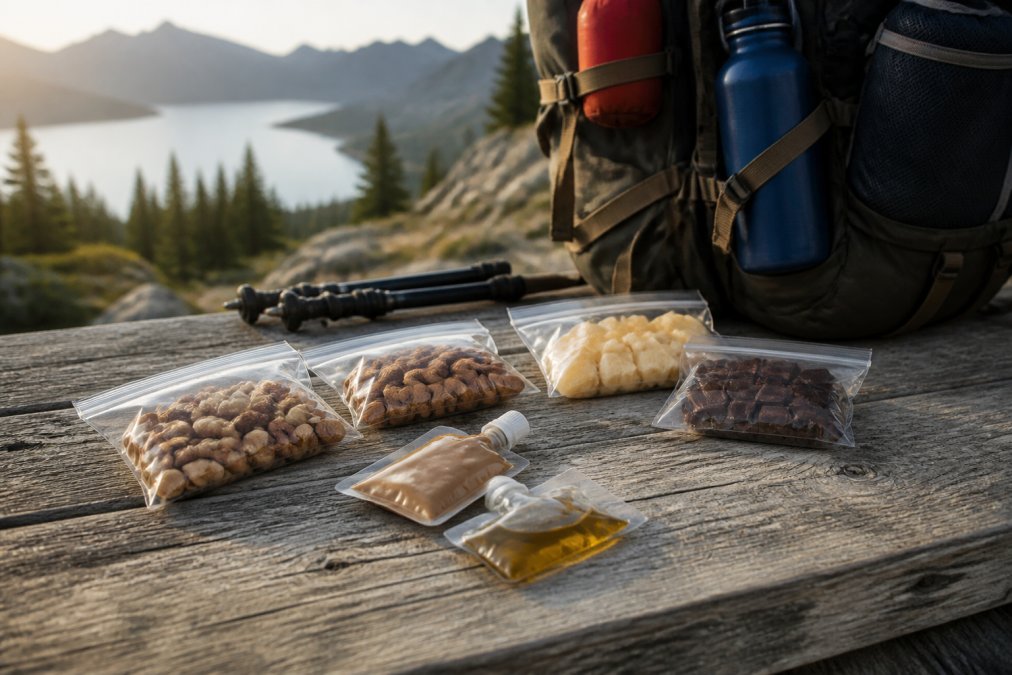
Infographic showing calorie-dense multi-day hiking food options like nuts, nut butter, and olive oil on a table.
The heavy hitters by weight-to-calorie ratio:
Nuts and nut butters: almonds, cashews, and peanut butter packets run 160 to 200 calories per ounce.
Olive oil and coconut oil: about 240 calories per ounce. Add a tablespoon to any dinner.
Dark chocolate: roughly 150 calories per ounce with a morale bonus.
Hard cheese and cured meat: shelf-stable for a few days in cool conditions.
Granola with added fat: oats, honey, and oil baked together beat store-bought bars.
Best No-Cook Backpacking Meals for Hot Days and Long Miles
The best no-cook backpacking meals are shelf-stable, calorie-dense, and edible without fuel or extra water. They save stove fuel and time, work when fire restrictions are in effect, and protect your water supply since you're not boiling and waiting for food to rehydrate.
Solid no-cook options:
Tortillas with nut butter and honey: soft, calorie-dense, and won't crumble in a pack.
Shelf-stable tuna or chicken pouches with tortillas and a mayo packet.
Couscous or instant mashed potatoes that rehydrate in cold water given 20 to 30 minutes.
Energy-dense bars and jerky for eating on the move.
Dried fruit and nut mixes for steady carbohydrate intake between meals.
Cold-soaking in a wide-mouth jar with a screw lid means you can shake it while hiking. Strap it to the outside of your pack and let the motion do the mixing for you.
Backpacking Meal Planning Guide: Portion, Package, and Pack
A backpacking meal planning guide is only useful if it survives contact with a real trail. Plan by day, portion by meal, package by weight, then run it through two filters most guides skip: cost per calorie and dietary restrictions.
Commercial freeze-dried dinners are convenient but costly per calorie: a single serving runs several dollars for 600 to 800 calories. A DIY dinner of instant rice, olive oil, and a chicken pouch delivers similar calories for a fraction of the cost.
Dietary Restrictions on the Trail
Generic meal plans assume you eat everything. If you're vegan, gluten-free, or keto, the standard advice doesn't apply, and the trail is a bad place to discover that.
Portion, Package, and Pack
Portion control matters more than most people think. Weigh your food at home. A kitchen scale turns guesswork into a number you can trust.
Packaging decisions affect both weight and food safety:
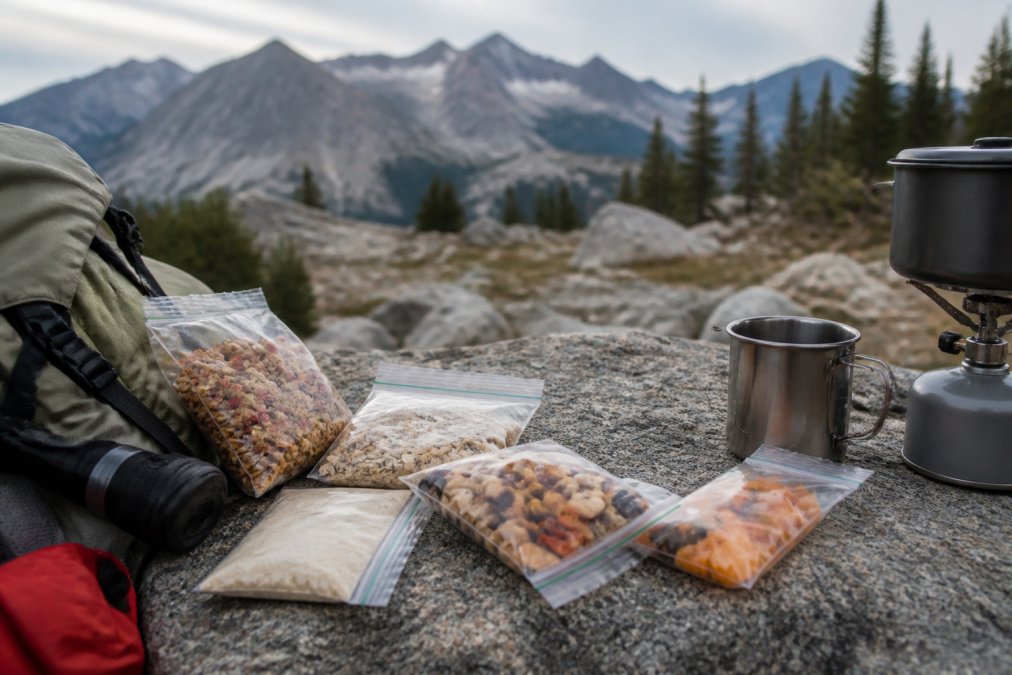
Repackage bulk food into single-meal zip-top bags.
Double-bag anything oily or powdery.
Keep a small trash bag for wrappers so you pack out everything.
Label each day's food so you're not digging through the whole bag at camp.
Key TakeawayThe two filters that separate a good plan from a great one: cost per calorie and dietary fit. Run every meal through both before you buy.
Dehydrated vs. Freeze-Dried Meals: Which Saves More Weight?
Freeze-dried meals are lighter and rehydrate faster, while dehydrated meals cost less and often taste better. Both work. The choice comes down to trip length, budget, and how much you care about texture.
Factor
Dehydrated
Freeze-Dried
Weight
Light
Lighter
Rehydration time
15-20 min
5-10 min
Cost per meal
Lower
Higher
Texture after rehydration
Softer, chewier
Closer to fresh
DIY friendly
Yes
No
Food Storage and Bear Safety on Multi-Day Hiking Trips
Proper food storage on multi-day hiking trips means keeping odors contained and food out of reach of wildlife, using a bear canister or hang where required. Food safety and wildlife safety are the same problem.
Storage basics:
Store all food, trash, and scented items together, away from your sleeping area.
Never keep snacks in your tent, even sealed ones.
Cook and eat 100 feet or more from where you sleep.
Use odor-proof bags inside your canister for extra protection.
Leaving food unattended, even for a short side trip, invites animals to associate campsites with meals. That habit gets animals killed and gets campsites closed. Pack it in, pack it out, and store it properly every time.
Essential Gear for Cooking and Eating Trail Food
The right cooking and eating gear makes trail food easier to prepare and enjoy. You don't need much, but what you carry should earn its weight.
Conclusion: Your Multi-Day Hiking Food Strategy
The hardest part of multi-day hiking food isn't the food itself. It's the planning.
Frequently Asked Questions
How do you calculate how much food to bring on a multi-day hike?
Estimate your daily calorie burn based on pack weight, terrain, and hours hiked, then pack 1.5 to 2 pounds of food per day. For a 3-day trip, aim for 4,500 to 6,000 calories daily. Use foods with a high weight-to-calorie ratio, like nuts, nut butters, and olive oil, to hit your target without overloading your pack.
What are the best calorie-dense foods for backpacking?
Nuts, seeds, nut butters, olive oil, dark chocolate, and granola are top choices. These foods deliver 150 to 200 calories per ounce, so you carry less weight for more energy. For example, a 16-ounce jar of peanut butter provides about 2,600 calories, making it a staple for multi-day hiking food.
What are the best no-cook meal options for the trail?
No-cook meals include tortillas with peanut butter and banana chips, cold-soaked oats with powdered milk and dried fruit, tuna or chicken packets with mayo and crackers, and trail mix with dried fruit and nuts. These options require no stove, save fuel weight, and work well when fire bans or hot weather make cooking impractical.
How do you keep food fresh on a multi-day hiking trip?
Choose shelf-stable foods like dehydrated meals, nuts, and jerky. Repackage items into resealable bags to reduce weight and waste. In warm weather, avoid perishables like cheese and fresh meat. For bear safety, store all food in a bear canister or hang it 12 feet up and 6 feet from the trunk, depending on local regulations.
What are the essential nutritional requirements for long-distance hiking?
Aim for 60% carbohydrates, 20-25% protein, and 15-20% fat. Carbohydrates fuel muscles, protein repairs tissue, and fat provides sustained energy. Add electrolytes to prevent dehydration and muscle cramps. Include vitamin-rich foods like dried fruit and vegetables to avoid nutrient deficiencies on extended trips.
How can you minimize trash and weight with your hiking food?
Repackage food into reusable silicone bags or lightweight zip-top bags. Remove cardboard and foil from energy bars. Choose items with minimal packaging, like bulk nuts and loose tea. Plan meals that use the same ingredients to reduce waste. Carry a small trash bag and pack out all wrappers to leave no trace.