Cart
0
Table of Contents
- Why Backcountry Alternatives Matter for Your Gear Search
- Best Online Outdoor Gear Stores Beyond Major Retailers
- Used Gear Marketplaces: Affordable Options for Trail-Tested Equipment
- Rental Services: Test Before You Commit
- How to Choose Specialized Hiking Gear Across Different Platforms
- Niche Backpacking Gear Brands and Independent Retailers
- Gear Longevity and Repairability: What Matters on Multi-Day Treks
- Conclusion
Last Updated: August 11, 2026
Why Backcountry Alternatives Matter for Your Gear Search
Finding the right backcountry alternatives for specialized gear has become essential for outdoor enthusiasts who want quality without overpaying or settling for mass-market options. Whether you're planning a multi-day trek, testing new equipment before committing to expensive purchases, or seeking sustainable options for trail-tested gear, the landscape of where to shop has expanded dramatically beyond traditional outdoor retailers.
The challenge most adventurers face is simple: major retailers like Backcountry and Cabela's offer convenience but limited selection in certain categories, and their pricing doesn't always reflect the actual value of ultralight or niche technical apparel. At GreatAdventureSupply, we understand that serious outdoor enthusiasts need access to specialized gear that performs when it matters most, whether that's a three-season shelter system, titanium cookware, or technical layers from independent manufacturers.
This guide explores the most practical backcountry alternatives available today: online retailers specializing in specific gear categories, used gear marketplaces that offer significant savings on trail-tested equipment, rental services that let you test before buying, and direct-to-consumer brands that bypass traditional distribution entirely. Each option serves a different need depending on your budget, timeline, and willingness to navigate multiple platforms.
Best Online Outdoor Gear Stores Beyond Major Retailers
Beyond the established names, several specialized online retailers have built loyal followings by focusing on specific niches or offering curated selections that larger retailers overlook. These stores often feature independent gear manufacturers, regional brands, and technical equipment that serious backcountry users actually seek out.
The best approach is identifying which retailers align with your specific needs. Some excel at ultralight backpacking gear, others focus on fishing and hunting equipment, and still others specialize in tactical or survival-oriented items. GreatAdventureSupply bridges this gap by curating collections across multiple categories, camping, hiking, fishing, hunting, and tactical gear, in one place, making it easier to find compatible equipment for complete systems rather than shopping piecemeal across five different sites.
When evaluating specialized online retailers, look for several indicators of reliability. First, check whether they offer detailed product descriptions that include weight specifications, material composition, and intended use cases. Second, verify that customer reviews mention real-world testing on actual trails or expeditions, not just casual use. Third, confirm their return policy explicitly, which matters when you're testing gear for backcountry suitability.
Many specialized retailers also maintain blogs or guides that explain gear selection criteria, which signals they understand their audience and aren't just moving inventory. A store that explains when to choose synthetic insulation versus down fill power, or how to evaluate base weight for your specific trip duration, demonstrates expertise that mass-market retailers rarely provide.
Used Gear Marketplaces: Affordable Options for Trail-Tested Equipment
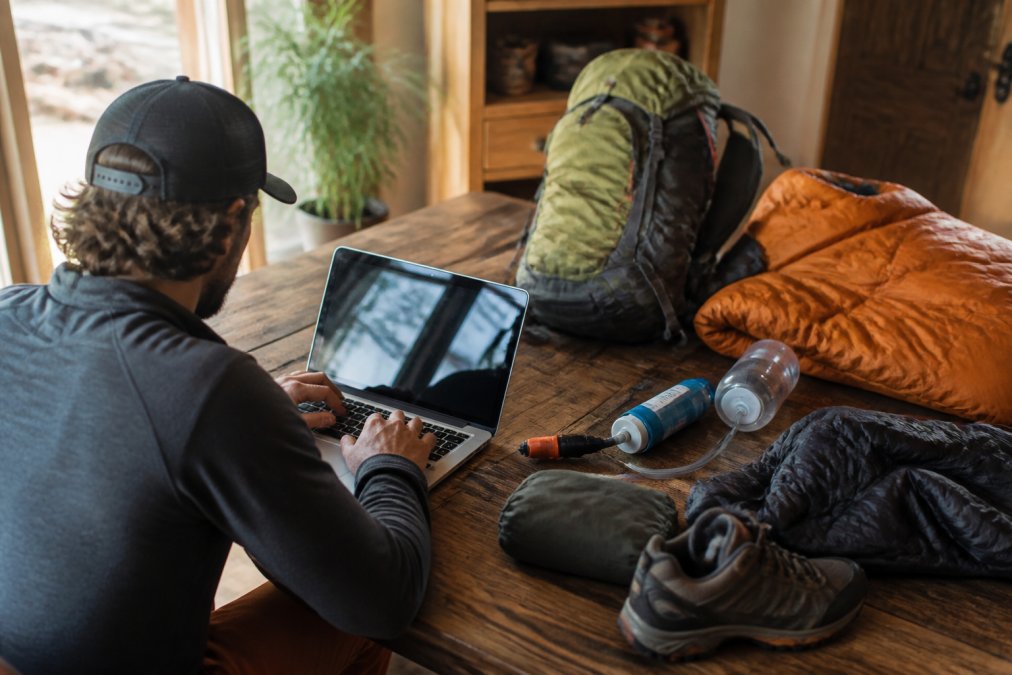
Used gear marketplaces represent one of the most practical backcountry alternatives for serious adventurers. Trail-tested equipment from reputable brands often outperforms new budget options, and the cost savings can be substantial.
REI ReSupply and Patagonia Worn Wear
REI ReSupply operates as a dedicated marketplace for used outdoor gear that's been returned, traded in, or lightly used. The platform benefits from REI's reputation for quality control and customer service. Items are typically in excellent condition, and REI members can trade in their own gear for store credit, creating an incentive to upgrade rather than simply discard worn equipment.
Patagonia Worn Wear takes sustainability seriously as a core business practice, not an afterthought. Their resale marketplace accepts gently used Patagonia products and offers repairs to extend product lifespan indefinitely. For hikers committed to three-season expeditions with technical apparel from Patagonia, this marketplace ensures you can access high-quality layers at reduced prices while supporting circular economy principles. The trade-in program provides store credit, making it easier to upgrade as your needs evolve.
Geartrade and Out&Back Outdoor
Geartrade operates as a broader consignment marketplace accepting gear from individuals, retailers, and manufacturers across categories like skiing, climbing, camping, hiking, and water sports. The platform's algorithm-based pricing recommendations help sellers price competitively, and the 14-day return policy protects buyers who discover condition issues after purchase.
Out&Back Outdoor focuses specifically on used outdoor gear across 65+ brands and 10+ categories. Their quality assurance process inspects items before listing, and their filtering system lets you search by condition, price, and brand, useful when you're hunting for specific ultralight backpacking gear or technical apparel from independent manufacturers.
Both marketplaces solve a real problem: new gear from specialized brands can be expensive, but used equipment from reputable makers often performs identically to new stock. A used titanium cookware set or down-insulated jacket from a quality manufacturer will perform on multi-day treks just as reliably as new versions.
Arc'teryx ReBird for Technical Apparel
Arc'teryx ReBird specializes in pre-owned technical apparel and gear from one of the most respected names in climbing and alpine mountaineering. Every item is cleaned and repaired before listing, and the trade-in program offers gift cards for used Arc'teryx products. For backcountry users seeking waterproof layers, pack systems, or technical footwear, ReBird provides access to premium engineering at significantly reduced prices.
The key advantage of brand-specific resale programs is predictability. You know exactly what quality standards to expect, and you're buying from sellers who understand the product line intimately.
Rental Services: Test Before You Commit
Rental services represent an underutilized backcountry alternative for anyone hesitant to invest in expensive gear without field-testing first. Multi-day treks reveal equipment weaknesses that casual use never exposes, a sleeping pad that seems comfortable in your living room might prove inadequate in alpine conditions, or a three-season shelter system might feel cramped during a week-long expedition.
Outdoors Geek operates nationwide rental service shipping gear anywhere in the United States. Their rental packages include complete backpacking kits with tent, sleeping bag, pad, and pack, everything needed for a multi-day trip. The option to apply rental fees toward purchase creates a natural pathway from testing to ownership, and guaranteed clean gear delivered at least one day before your trip removes logistical stress.
The rental model works particularly well for families preparing for their first backcountry trips. Rather than purchasing thousands of dollars in gear for a family of four, you can rent complete systems, assess what works for your group's needs and preferences, then purchase only the items you'll use repeatedly.
Gearly operates as a peer-to-peer rental platform connecting you with local gear owners. This model works best in populated areas where inventory is abundant, but it requires coordination for pickup and drop-off. The advantage is access to specialized gear from enthusiasts who've tested equipment extensively and can provide firsthand advice about performance.
How to Choose Specialized Hiking Gear Across Different Platforms
Selecting specialized hiking gear across multiple platforms requires a framework that accounts for weight, durability, intended use, and your actual experience level. The mistake most beginners make is treating all backcountry alternatives as equivalent, they're not.
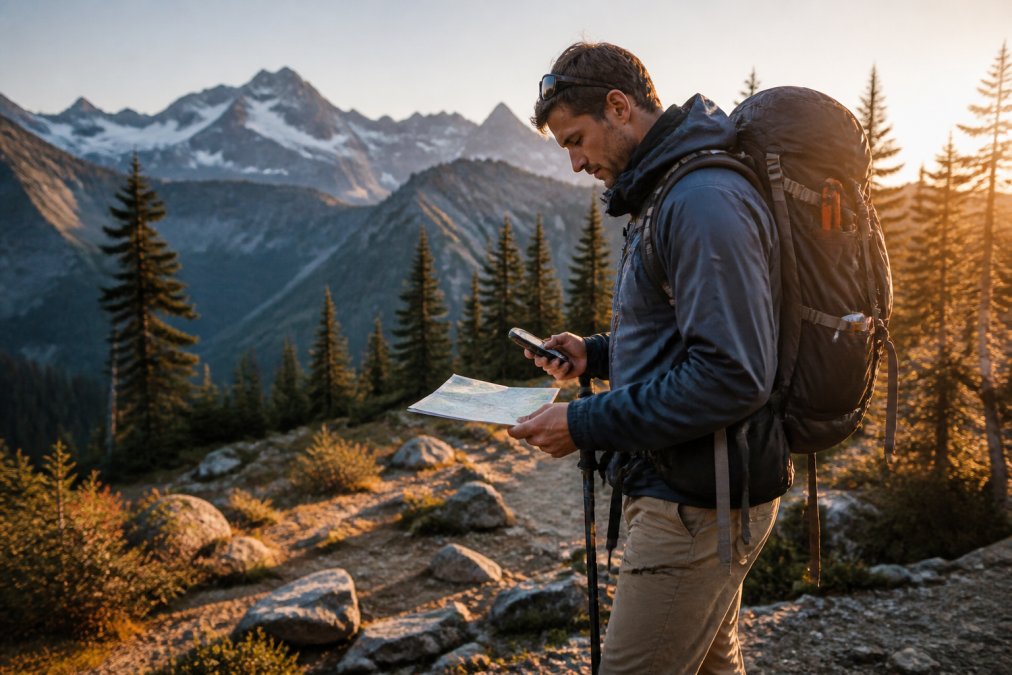
Start by defining your trip parameters: duration, season, elevation, and terrain type. A three-season shelter system performs differently in alpine versus temperate environments. Ultralight backpacking gear makes sense for experienced hikers covering significant distance, but beginners benefit from slightly heavier, more forgiving equipment that tolerates user error.
Weight-to-performance ratio matters more than absolute weight. A sleeping pad that weighs 8 ounces but provides inadequate insulation creates problems on a cold night. A pad weighing 16 ounces but delivering reliable warmth and comfort is the better choice. This is where reading detailed reviews from users who've actually completed multi-day treks becomes essential, they'll mention real-world performance that product descriptions omit.
Platform selection depends on your priorities. If you want curated recommendations from experts who understand gear systems, GreatAdventureSupply's approach of offering multifunctional equipment selected for performance in real conditions removes decision paralysis. If you prioritize cost savings and don't mind researching specifications yourself, used gear marketplaces offer excellent value. If you want to test before committing significant money, rental services provide the lowest-risk entry point.
Consider compatibility when selecting across platforms. Ultralight backpacking gear works best as a system, lightweight tent, ultralight sleeping bag, minimal cooking setup, technical apparel for layering. Mixing ultralight components with heavier items defeats the purpose. When shopping multiple retailers, verify that your selections work together cohesively rather than optimizing each item independently.
| Platform Type | Best For | Key Consideration |
|---|---|---|
| Specialized retailers | Curated selection, expert guidance | Higher prices, trusted quality |
| Used marketplaces | Cost savings, trail-tested gear | Variable condition, limited selection |
| Rental services | Testing before purchase | Accumulating costs on longer trips |
| Direct-to-consumer brands | Innovation, niche gear | Limited size/color options |
Niche Backpacking Gear Brands and Independent Retailers
Beyond established names, independent gear manufacturers have built loyal followings by solving specific problems that mass-market brands overlook. These companies often focus on ultralight backpacking, specialized cooking systems, or regional requirements that larger retailers don't prioritize.
The advantage of niche brands is specialization. A company designing exclusively for three-season backpacking understands the specific weight constraints, insulation requirements, and durability standards that matter in that context. Their products reflect thousands of hours of field testing with dedicated users, not focus groups.
Finding these brands requires exploring outdoor forums, backcountry blogs, and hiking communities where experienced users discuss gear honestly. Many independent manufacturers sell direct-to-consumer through their own websites, bypassing traditional retailers entirely. This often means lower prices and more direct access to company founders who actively use their own products.
The trade-off with niche brands is reduced return policies and less established customer service infrastructure. A small company making 500 tents annually operates differently than REI handling thousands of returns daily. Before purchasing from unknown manufacturers, verify their return policy explicitly and check whether other users report reliable customer support.
Some independent retailers specialize in curating these niche brands alongside established names. Rather than attempting to stock everything, they focus on categories where they develop genuine expertise, perhaps ultralight shelter systems, titanium cookware for backcountry cooking, or technical apparel for alpine conditions. This selective approach creates a different shopping experience than general outdoor retailers.
Gear Longevity and Repairability: What Matters on Multi-Day Treks
Equipment failure during a multi-day trek creates real consequences. A broken tent pole, failed zipper, or torn seam forces you to improvise solutions in the field or cut your trip short. Understanding gear durability and repairability before purchase prevents these situations.
Quality materials and construction methods directly impact longevity. Titanium cookware resists corrosion and dents better than aluminum, justifying higher initial cost through years of reliable performance. Down insulation maintains loft longer than synthetic alternatives when properly cared for, though synthetic insulation recovers better after compression. These aren't abstract specifications, they determine whether your gear performs reliably on your fifth backcountry trip or your fiftieth.
Repairability matters as much as initial durability. A sleeping bag with accessible seams that a repair shop can easily access will last decades with periodic maintenance. A tent with standard pole connectors can be repaired with replacement parts rather than becoming unusable after a single failure. Brands that design for repairability rather than planned obsolescence tend to develop loyal communities of users who upgrade gradually rather than replacing entire systems.
Several manufacturers have built reputation specifically around durability and repairability. Patagonia's commitment to repairs through Worn Wear means your technical apparel can be serviced indefinitely. Arc'teryx's ReBird program accepts used gear for resale, but the company also maintains repair services. These commitments reflect a different business philosophy than retailers focused purely on volume.
When evaluating backcountry alternatives, consider the total cost of ownership across multiple trips rather than the purchase price alone. A sleeping bag that lasts 15 years costs $27 annually. A sleeping bag lasting three years costs $50 annually. This calculation becomes increasingly important as you commit to serious backcountry expeditions where reliability directly impacts safety and enjoyment.
Choosing backcountry alternatives for specialized gear means evaluating multiple factors beyond price: platform reliability, equipment quality, return policies, and long-term durability. GreatAdventureSupply simplifies this decision by curating high-quality outdoor gear across camping, hiking, fishing, and tactical categories, multifunctional equipment selected specifically for performance in real conditions. Rather than navigating five different platforms, you can access reliable gear chosen for durability and compatibility. Explore our collections and find the equipment that transforms your next expedition from adequate to exceptional.
Frequently Asked Questions
What are the best backcountry alternatives to major outdoor retailers?
Several strong alternatives serve different needs. REI ReSupply and Patagonia Worn Wear offer used gear from trusted brands at lower prices. Geartrade and Out&Back Outdoor provide wider brand selection across the used market. For rentals, Outdoors Geek ships nationwide and lets you try gear before buying. GreatAdventureSupply curates specialized equipment across camping, hiking, fishing, and tactical categories in one place, eliminating the need to shop multiple sites for multi-day expeditions.
How do I choose specialized hiking gear when shopping across different platforms?
Start by identifying your trip type: ultralight backpacking, three-season shelter systems, or technical alpine climbing each require different priorities. Check product reviews specifically for multi-day use and weight-to-performance ratio. Look for gear tested on actual trail miles rather than theoretical specs. Compare base weight across complete systems (shelter, sleeping pad, insulation, cookware) rather than individual items. Independent retailers often provide better guidance on compatibility than massive marketplaces, especially for niche gear combinations.
Are niche backpacking gear brands better than mainstream options?
Niche brands often excel in specific areas: ultralight materials, regional-specific designs, or repair-friendly construction. Independent manufacturers typically offer better durability and weight-to-performance ratios than mass-market alternatives. However, mainstream brands provide wider availability and established customer support. The best choice depends on your priorities. For multi-day backcountry trips, niche brands often deliver superior performance; for casual family camping, mainstream gear offers better value and easier returns.
Can I really save money buying used gear for backcountry trips?
Yes, used gear marketplaces typically offer 30-50% savings on trail-tested equipment. Platforms like Geartrade, REI ReSupply, and Patagonia Worn Wear inspect and sometimes repair items before resale. For durability-focused brands like Patagonia and Arc'teryx, used gear often outlasts new budget alternatives. Rental services like Outdoors Geek work well for testing expensive items before committing. The key is purchasing from platforms with quality guarantees and clear condition descriptions rather than private sellers without accountability.
This article was written using GrandRanker