

Cart
0
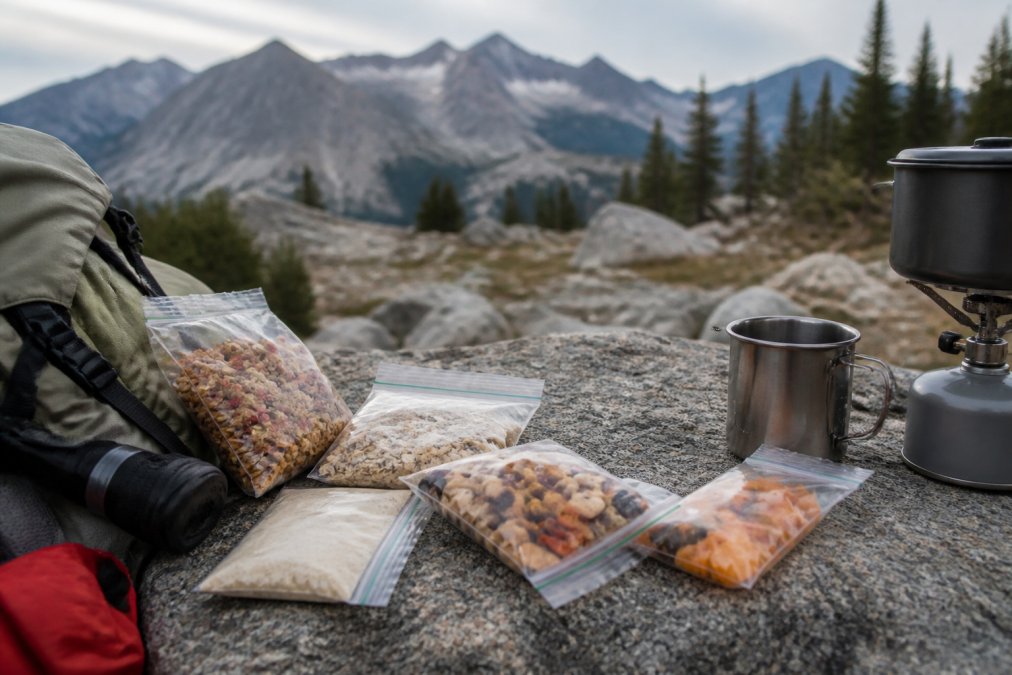

Last Updated: October 23, 2026
Quick Summary
The best lightweight cookware for solo backpacking is a compact aluminum set that nests with a folding stove, sized around 750 ml, with a lid that doubles as a bowl. Our top pick is the Ultra-Light Aluminum Cookware Set at $31.99, which keeps carry weight low and packs as one bundle.
- Solo pot capacity usually lands between 550 ml and 900 ml, with 750 ml the practical sweet spot.
- The budget Pot Pan Small Set costs $19.00 and suits solo travelers and couples.
- Stainless steel at $22.00 handles high heat and rugged use with even heat distribution.
- Nest the stove inside the pot and keep the fuel canister outside to avoid rattling.
- Boil a little water right after eating, before food sets, to cut cleanup time.
Table of Contents
- Why Solo Backpacking Cookware Is a Different Buying Decision
- Quick Comparison: Best Lightweight Cookware for Solo Backpacking
- Top Picks for a Solo Backpacking Pot
- Titanium Backpacking Pot vs. Aluminum: What the Weight Actually Buys You
- Backpacking Pot Size: Matching Capacity to Trip Length and Meals
- Packing the Backpacking Stove and Pot as One System
- Packed Weight, Cookware Weight, and Fuel Efficiency Compared
- Cleaning, Food Sticking, and Field Maintenance
- Conclusion
- Frequently Asked Questions
Why Solo Backpacking Cookware Is a Different Buying Decision
Solo backpacking cookware is a cooking system sized, weighed, and priced for one person carrying everything on their own back. That single constraint changes every tradeoff: you are not splitting a pot with a partner, so every gram and every cubic inch is yours alone.
The result is a category where the wrong pick hurts more than usual. A pot that is too large wastes pack space and adds weight you feel on every climb.
Below, we break down the best lightweight cookware for solo backpacking by material, capacity, packed weight, and how each set pairs with a stove. We also flag the mistakes that cost solo hikers the most in the field.
Watch Out
The most common solo mistake is buying a "2-3 person" cookset because it looks like better value. A larger pot takes longer to boil the same amount of water, so you spend more fuel heating empty air and metal. Match capacity to your meals, not to the price per piece.
Quick Comparison: Best Lightweight Cookware for Solo Backpacking
Here is how our top picks compare on material, price, and best use. Every set below is sold by GreatAdventureSupply, and prices are current as of this update.
| Cookware Set | Material | Price | Best For |
|---|---|---|---|
| Ultra-Light Aluminum Cookware Set with Nestable Handle | Hard alumina, non-coated | $31.99 | Best overall for solo trips |
| Pot Pan Small Set | Heat-resistant lightweight build | $19.00 | Budget solo and couples |
| Stainless Steel Camping Pot Set | Stainless steel | $22.00 | Durability on rough trips |
| 304 Stainless Steel 5-Piece Set with Teflon Coating | 304 stainless, Teflon pan | $83.99 | Nonstick cooking and easy cleanup |
| Camping Cookware Kit Outdoor Aluminum Set | Hard-anodized aluminum, Teflon | $53.77 | Group trips and base camps |
The pattern is clear. Aluminum wins on weight, stainless wins on toughness, and coated pans win on cleanup. For a solo backpacker, the first column is usually the right answer.
Top Picks for a Solo Backpacking Pot
Ultra-Light Aluminum Cookware Set with Nestable Handle
Our top pick for most solo backpackers is this aluminum set at $31.99. The ultra-light aluminum construction keeps carry weight low, which is the whole point of a solo kit. The nestable design lets the pieces stack into one compact bundle instead of three loose items.
The wrap-around folding handle is coated with anti-slip rubber, so it insulates better than bare metal and gives you a firm grip when you lift a full pot off the stove. The multifunctional lid doubles as a bowl, which matters on a solo trip because it removes one item from your pack.
You can check the specs on the Ultra-Light Aluminum Cookware Set before you commit.

Pot Pan Small Set
The Pot Pan Small Set is the budget entry at $19.00, and it is built for exactly the person reading this: solo travelers and couples who need reliable, space-saving cookware. The compact size fits into a backpack without eating a whole compartment.
It handles the basics well. Boiling water, frying eggs, and cooking a quick meal are all within range, and the easy-to-clean surfaces keep field cleanup short.
If price is your first filter, start here. If packability is your first filter, spend the extra $13 on the aluminum set above.
Stainless Steel Camping Pot Set
Stainless steel is the material you choose when durability outranks everything else. This set at $22.00 includes a pot, pan, and lid, and the stainless construction handles high heat and rugged use without the denting risk that comes with thin aluminum.
Even heat distribution is the practical benefit. Stainless spreads heat across the base rather than concentrating it in one ring, which reduces hot spots and makes simmering more forgiving. The surface is also the easiest of the three to clean after a sticky meal.
You can view the Stainless Steel Camping Pot Set to compare sizes.

Titanium Backpacking Pot vs. Aluminum: What the Weight Actually Buys You
Our take: buy aluminum for solo backpacking and put the savings into a better stove or a lighter pack. If you want the full cost-benefit argument, our team wrote a deeper breakdown in our titanium cookware review.
Backpacking Pot Size: Matching Capacity to Trip Length and Meals
Backpacking pot size for a solo hiker usually lands between 550 ml and 900 ml, with 750 ml as the practical sweet spot.
Match capacity to how you actually eat:
Ultra-Light Aluminum Camping Cookware Set with Nestable Design Handle →
- Freeze-dried meals only: 550-750 ml is enough for one pouch plus a drink.
- One-pot pasta or rice meals: 750-900 ml gives you room to stir without boiling over.
- Coffee, tea, and oatmeal in the same pot: 750 ml covers all three across a morning.
- Cooking for two occasionally: step up to a 1-liter pot, but accept the extra weight.
Trip length changes the math less than people expect. A four-day hike and a two-day hike both need the same pot, because pot capacity is set by meal size, not trip duration. What changes with trip length is fuel, not cookware.
A pot that is too narrow is the sneaky failure mode. It boils fine but makes stirring and rehydrating messy, and food sticks to the walls. Look for a pot with a wide base relative to its height.
Packing the Backpacking Stove and Pot as One System
The best solo cookware is the set that nests with your stove, not the set with the best standalone specs. Treat the stove and pot as one unit and you cut pack volume, protect the stove, and stop hunting for loose parts at camp.
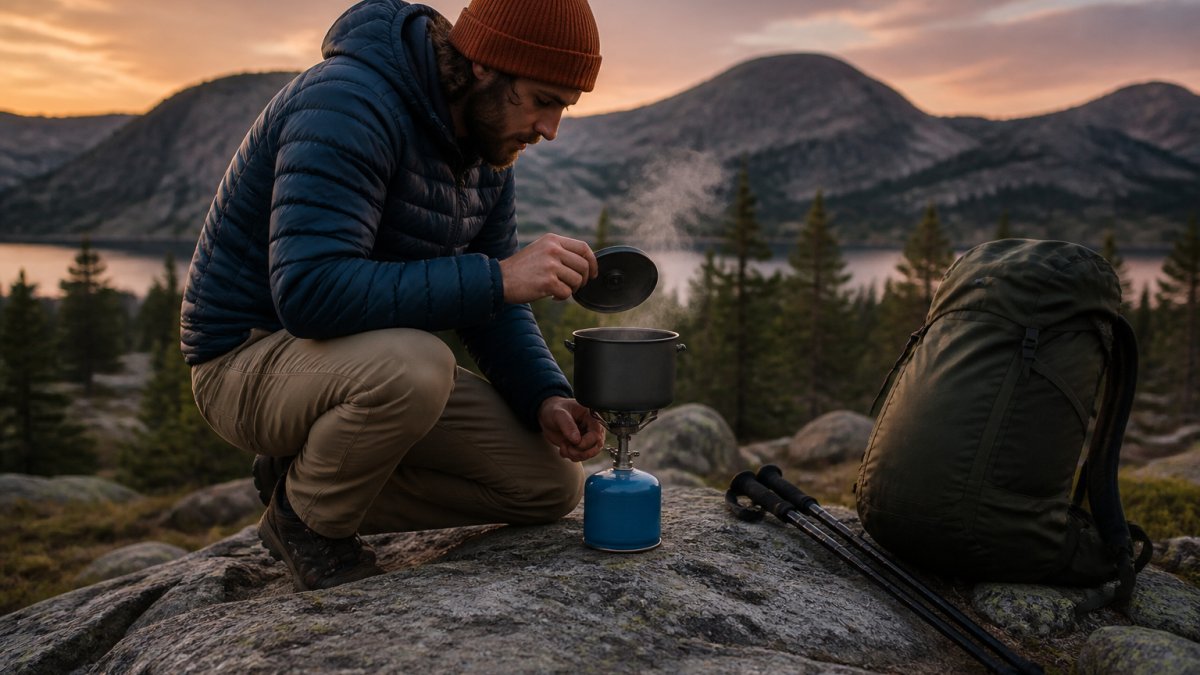
A few rules we follow when building a solo kit:
- Nest the stove inside the pot, not beside it. A folding canister stove fits inside most 750 ml pots with room for a lighter and a small cloth.
- Keep the fuel canister outside the pot. A canister that barely fits will rattle and can damage the stove's valve.
- Store the lid inverted so it doubles as a bowl and protects the pot's interior.
- Pack a small cloth inside the nest to stop metal-on-metal noise and wipe the pot dry.
Stove compatibility matters here. Our Gas Backpacking Stove is a compact folding canister stove that pairs naturally with a small solo pot, and the Integrated Heat Collection Stove System takes the opposite approach by building the pot and burner as a single unit with a heat collector ring on the pot's base.
Key Takeaway
The lightest pot in the catalog is not the lightest cooking system. A nested pot and stove that pack as one unit beats a lighter pot that forces you to carry a separate stuff sack and a loose stove.
Packed Weight, Cookware Weight, and Fuel Efficiency Compared
Packed weight is what you actually carry, and it includes the pot, lid, handle, stove, and fuel, not just the cookware's listed weight. Judging cookware by its own weight alone is how solo hikers end up with a heavy system made of light parts.
Three factors drive total system weight:
- Cookware weight. Aluminum is lightest, stainless is heaviest, coated pans sit in between.
- Stove weight. A folding canister stove adds little; a multi-head burner adds considerably more.
- Fuel weight. This is the factor most hikers ignore, and it is often the largest of the three on a long trip.
Fuel efficiency ties directly to pot design. A pot with a wide base and a lid that seals captures more heat, so water boils faster and you burn less fuel. A narrow pot with a loose lid loses heat around the sides and out the top, and you pay for it in canisters.
If you are comparing systems, our backpacking stove fuel weight guide breaks down how much fuel different trip lengths actually require.
Watch Out
Do not judge fuel efficiency by boil time alone. A fast boil on a windy day can still burn more fuel than a slower boil in a sheltered spot. Always cook behind a windbreak, and always use the lid.
Cleaning, Food Sticking, and Field Maintenance
Cleanup is where coated and uncoated cookware split sharply, and it is the detail most gear guides skip. On a solo trip you are washing one pot with limited water, so how food releases matters more than it does at a car campsite.
Coated pans, like the Teflon pan in our 304 Stainless Steel 5-Piece Set, release food far more easily, which saves water and time. The tradeoff is that the coating needs care. Use a soft utensil, never scrape with a metal fork, and never heat an empty coated pan.

Pro Tip
Boil a small amount of water in the pot right after you finish eating, before the food sets. Thirty seconds of warm water and a wipe beats five minutes of cold scrubbing at the end of a long day.
Conclusion
The hardest part of buying solo cookware is resisting the bigger, cheaper set that looks like better value and then carrying it for miles.
GreatAdventureSupply stocks cookware built for exactly this use, from the nestable aluminum set to stainless options for rougher trips. Every piece is selected to perform in real outdoor conditions, and the collections put multifunctional, portable gear in one place so you are not piecing a kit together across five stores.
Start with the Ultra-Light Aluminum Cookware Set, pair it with a compact canister stove, and pack the two as one unit. Add to cart and get your solo kit dialed in before the next trip.
Frequently Asked Questions
What size pot do I need for solo backpacking?
For most solo trips, a pot in the 750 ml to 1 liter range covers boiling water for dehydrated meals, instant noodles, and tea. A 750 ml pot handles one pouch meal and a hot drink without boiling over; step up toward 1 liter if you simmer one-pot meals or melt snow. Anything larger adds packed weight and wasted space in a solo pack, and anything smaller limits you to reheating rather than cooking.
Is titanium or aluminum better for backpacking cookware?
Aluminum, especially hard-anodized aluminum, spreads heat more evenly and costs less, which matters if you cook rather than just boil. For simmering and frying on a solo backpacking pot, aluminum usually performs better for the money.
Do I need a full cookware set for solo backpacking?
Usually not. A single pot with a lid that doubles as a bowl covers most solo needs, and sets sized for two or three people add ounces you will not use. The exception is a kit built around a stove, such as a biomass stove with a stainless steel pot included, where buying the system together keeps the pot matched to the burner and saves you from packing mismatched pieces.
How do I choose a backpacking pot that fits my stove?
Check the pot's base diameter against your stove's burner and pot supports before buying. A pot narrower than the supports will wobble; one much wider can trap heat and waste fuel. Canister stoves with folding legs generally accept pots from roughly 10 cm to 18 cm across. If you buy an integrated heat-collection system, the pot and burner are matched already, which removes the guesswork and improves fuel efficiency.
What is the lightest cookware for backpacking?
Titanium pots are the lightest option per capacity, and a nestable aluminum set is the lightest way to get a pot plus pan. Weight alone is not the whole story: a heavier pot that heats faster can cut the fuel you carry, and fuel is part of total cooking-system weight. A 1 lb 2 oz biomass kit that burns twigs, for example, carries no canister at all, which can offset its pot weight on longer trips.


