Cart
0

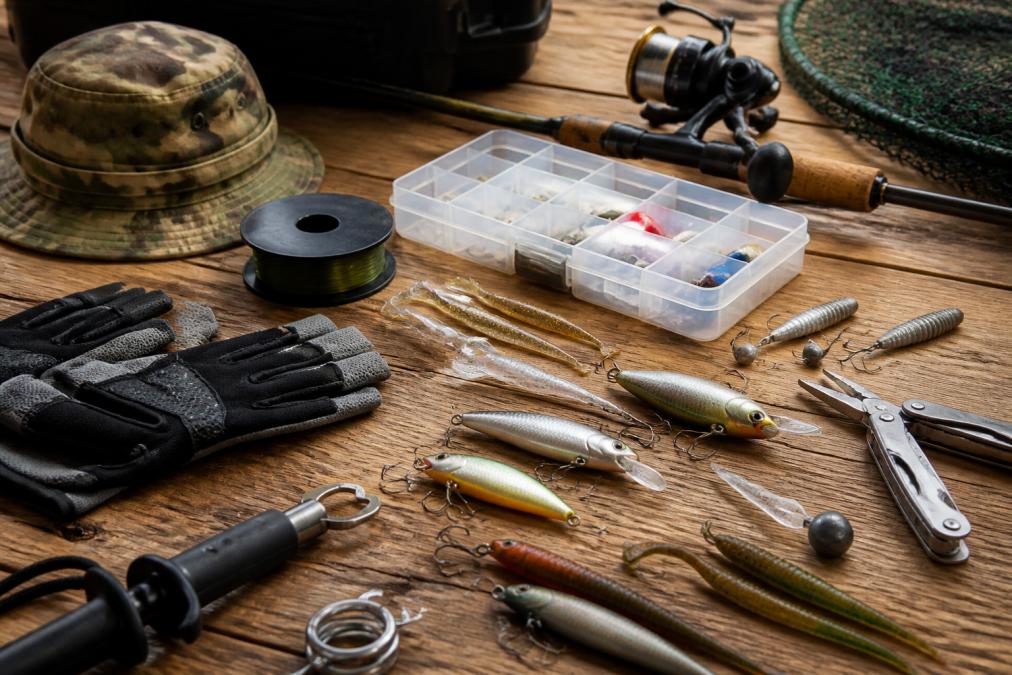
Table of Contents
- How to Choose Fishing Rods for Specific Species
- Essential Fishing Rods and Reels for Different Techniques
- Fishing Lures, Baits, and Terminal Tackle
- Best Online Fishing Tackle Stores and Retailers
- Fishing Gear Shipping and Return Policies
- Fishing Clothing, Waders, and Protective Gear
- Tackle Storage and Fishing Line Selection
- Gear Maintenance and Making Your Equipment Last
Last Updated: August 10, 2026
When you're ready to buy specialized fishing gear online, the sheer volume of options can feel overwhelming. Finding the right equipment for your specific fishing style, species, and skill level requires understanding which gear actually performs in the field versus what's just marketing hype. At GreatAdventureSupply, we've curated a comprehensive selection of fishing equipment designed to help you make informed decisions, whether you're targeting freshwater bass or offshore saltwater species.
This guide covers everything from selecting the right rod and reel for your target species to understanding terminal tackle, shipping policies, and gear maintenance.
How to Choose Fishing Rods for Specific Species
Selecting the right fishing rod starts with understanding your target species and fishing environment. The rod you choose determines your casting distance, sensitivity, and ability to land fish effectively.
Freshwater Species and Rod Selection
Freshwater fishing rods vary dramatically based on your target species. A panfish rod typically measures 5 to 6 feet with lighter power and faster action. Bass fishing demands a 6.5 to 7-foot medium-power rod with moderate action to handle everything from topwater lures to deep crankbaits. Walleye and pike require slightly heavier power for larger baits and deeper presentations. Steelhead and salmon fishing in freshwater requires longer rods (8 to 10 feet) for better line control and casting distance.
Rod action, how much the rod bends, affects your ability to set the hook and control the fight. Fast-action rods bend primarily at the tip, giving better sensitivity and hooksets. Moderate-action rods flex more of the blank, providing forgiveness for lighter lines and smaller baits. Consider the water conditions you'll fish most: clear water and finicky fish benefit from longer rods and lighter line, while murky water and aggressive species allow shorter, heavier setups. GreatAdventureSupply stocks freshwater rods specifically matched to regional species and seasonal patterns.
Saltwater Species and Rod Selection
Saltwater fishing introduces new variables: corrosion resistance, rod power, and the strength required to land larger fish. Inshore species like redfish, snook, and tarpon require 6 to 7-foot rods with medium-heavy power and moderate action. Offshore fishing, targeting tuna, marlin, and grouper, demands heavier rods (7 to 8 feet) with extra-heavy power and slow action to drive the hook home and maintain pressure during extended fights.
Salt water corrodes standard materials, so look for rods with corrosion-resistant guides and reel seats. Graphite blanks resist saltwater damage better than fiberglass. The rod's guide system matters significantly, stainless steel or ceramic guides prevent salt corrosion and line degradation. GreatAdventureSupply's saltwater selection emphasizes durability and performance in harsh marine environments.
Essential Fishing Rods and Reels for Different Techniques
Your reel choice is equally important as your rod selection. The two must work together to deliver the performance you need.
Spinning Reels and Baitcasting Rods
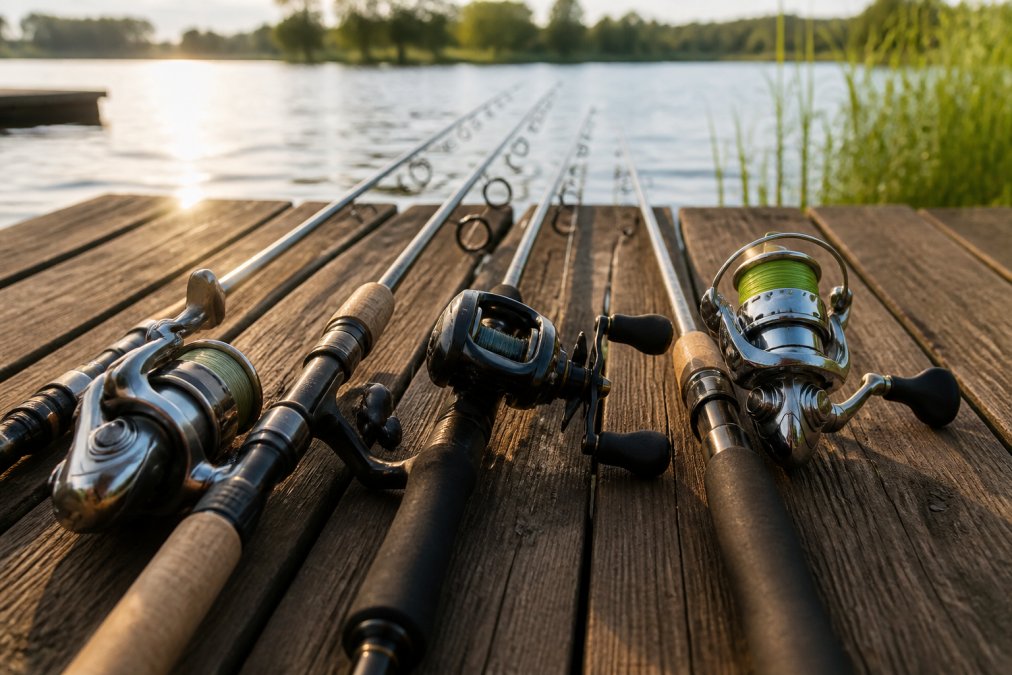
Spinning reels dominate freshwater fishing because they're intuitive, forgiving, and versatile. Their open bail allows easy line release, making them ideal for beginners and for fishing with light lures or live bait. Spinning reels handle line weights from 4 to 20 pounds effectively, covering most freshwater applications.
Baitcasting reels (also called conventional reels) require more skill but offer superior accuracy and power. They mount on top of the rod, allowing your thumb to control the spool directly. This control makes baitcasting reels preferred for heavier lures, precise casting, and situations where accuracy matters, like pitching into dense cover or fishing windy conditions.
The gear ratio of your reel determines how much line you retrieve per handle turn. A 5.1:1 ratio retrieves about 20 inches of line per turn, suitable for crankbaits and general fishing. A 7.1:1 ratio retrieves about 28 inches, ideal for fast presentations like topwater or jerkbaits. Higher gear ratios (8:1 and above) work best for quick line recovery, like skip-casting under docks.
Drag systems prevent line breakage when a fish runs hard. A smooth, consistent drag matters more than maximum drag strength. Quality spinning reels offer sealed drag systems that resist water and debris, maintaining performance through entire fishing seasons. GreatAdventureSupply carries spinning and baitcasting reels from manufacturers known for reliability in real-world conditions.
Fly Fishing Equipment
Fly fishing requires a completely different approach to gear selection. A fly rod's action and power are rated by weight numbers (2-weight through 12-weight), corresponding to the line weight it's designed to cast. A 3 or 4-weight rod suits small streams and panfish, while 5 to 6-weight rods handle most freshwater situations. Saltwater fly fishing typically requires 8 to 10-weight rods for adequate power and wind resistance.
Fly reels store your backing line and provide drag when a fish runs. Modern fly reels feature sealed drag systems that handle saltwater conditions and maintain performance under extended pressure. Fly lines come in different weights, tapers, and densities. A floating line works for most freshwater fishing and dry fly presentations. Intermediate and sinking lines reach deeper water or present flies below the surface.
Leaders and tippet, the thin line connecting your fly to the main fly line, must match your fly size and target species. Longer leaders (9 to 12 feet) improve presentation in clear water, while shorter leaders (6 to 8 feet) work in faster water or when fishing larger flies.
Fishing Lures, Baits, and Terminal Tackle
Your lure and bait selection dramatically affects your success rate. Hard baits (crankbaits, topwater plugs, jerkbaits) provide specific diving depths and action patterns. Soft plastics (worms, creature baits, swimbaits) offer natural movement and versatility across different retrieves and conditions.
Terminal tackle, hooks, swivels, snap links, and sinkers, connects your lure to your line. The hook size must match your target species and bait size. Oversized hooks reduce hookup rates, while undersized hooks fail to set properly or bend under pressure. Swivels prevent line twist from spinning lures or baits, extending your line's lifespan.
Fluorocarbon leader material resists UV damage and remains nearly invisible underwater, making it ideal for clear water or pressured fish. Monofilament line stretches more than fluorocarbon, absorbing shock during hook sets and providing forgiveness with lighter rods. Braided line offers minimal stretch, excellent sensitivity, and superior strength-to-diameter ratio, but its visibility in clear water can reduce bites. Many anglers use braided main line with a fluorocarbon leader, combining sensitivity with invisibility.
Tackle Warehouse and Discount Tackle both offer extensive selections of lures and terminal tackle at competitive pricing. FishUSA provides deep inventory of walleye, steelhead, and salmon gear with free shipping on orders over $75.
Best Online Fishing Tackle Stores and Retailers
Specialty Retailers vs. General Outdoor Shops
Specialty fishing retailers focus exclusively on angling gear, allowing their staff to develop genuine expertise in specific techniques and species. These retailers understand regional fishing patterns, seasonal gear needs, and which products actually perform versus which ones disappoint.
General outdoor retailers like Bass Pro Shops offer massive selection across fishing, hunting, camping, and boating. This breadth provides convenience, though their staff may lack the specialized knowledge of dedicated fishing retailers.
GreatAdventureSupply bridges this gap by curating fishing gear selections alongside other outdoor equipment. We've eliminated the guesswork by selecting products proven to perform in actual fishing situations. Our collections emphasize multifunctional gear that handles multiple species and techniques, reducing the number of rods and reels you need to own.
Specialty retailers like J&H Tackle focus on saltwater fishing with staff experienced in inshore and offshore techniques. FishUSA specializes in freshwater gear with particular depth in walleye, steelhead, and salmon equipment. American Legacy Fishing & Outdoors offers both new and used equipment with a trade-in program, providing budget-conscious anglers access to quality gear at reduced prices.
Fishing Gear Shipping and Return Policies
Before buying specialized fishing gear online, understand the retailer's shipping practices and return policies. Fast shipping matters when you're preparing for an upcoming trip, but reliable service matters more than speed.
Most specialty retailers offer standard ground shipping within 3 to 7 business days. Tackle Warehouse emphasizes fast shipping with many customers reporting delivery within 48 hours. FishUSA provides free shipping on orders over $75 within the contiguous United States. Return policies vary significantly, some retailers include prepaid return labels with orders, while others require you to cover return shipping.
When buying specialized fishing gear online, verify the return window. Most retailers offer 30-day returns, but some extend to 60 days. This matters if you're buying gear for a trip weeks away. Check whether the retailer accepts returns on used items. Some retailers only accept returns on unopened merchandise, while others allow returns on used gear as long as it's in reasonable condition.
Fishing Clothing, Waders, and Protective Gear
Your personal gear affects comfort, safety, and fishing effectiveness as much as your rods and reels.
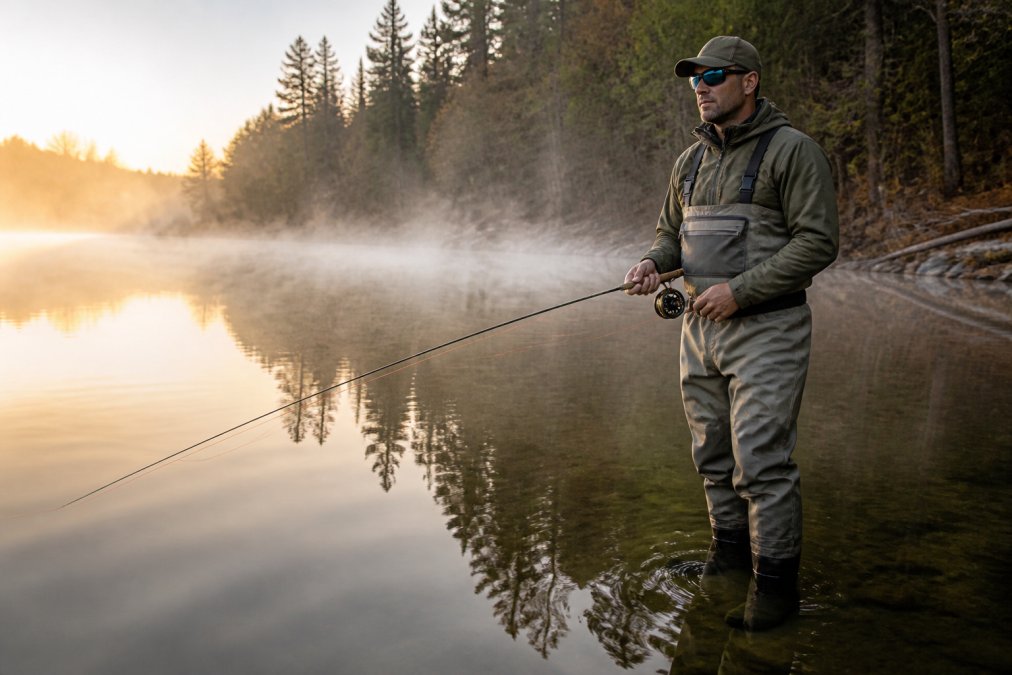
Waders keep you dry and warm when fishing in water. Breathable waders allow moisture vapor to escape while blocking water, preventing sweat buildup during active fishing. Neoprene waders provide superior insulation for cold-water fishing but trap sweat in warm conditions. Chest waders extend to your chest, ideal for deeper water and boat fishing. Hip waders reach to your waist, offering mobility for stream fishing and shallow-water applications.
Wader fit matters significantly for comfort and safety. Oversized waders restrict movement and allow water entry if you slip. Undersized waders restrict breathing and circulation. Suspenders keep waders from slipping down, preventing constant adjustment that ruins your fishing rhythm.
Polarized sunglasses reduce water glare and allow you to see beneath the surface. This visibility advantage translates directly to more fish located and caught. UV protection matters for extended sun exposure, preventing eye damage that accumulates over years of fishing.
A quality fishing shirt provides sun protection and functional pockets for storing tackle. Moisture-wicking fabrics keep you dry and comfortable during active fishing. Long sleeves offer better sun protection and reduce insect bites compared to short-sleeved options.
Footwear choices affect safety and comfort. Felt-soled wading boots provide excellent traction on slippery rocks and stream bottoms. Rubber-soled boots offer better durability and work well on sandy or muddy bottoms.
Tackle Storage and Fishing Line Selection
How you organize and maintain your gear affects both longevity and fishing efficiency. Tackle boxes and storage systems keep your equipment organized and protected from damage and corrosion. Waterproof storage prevents water damage to electronics and protects tackle from corrosion. Organization systems with compartments prevent tangling and make it easy to locate specific lures or terminal tackle during fishing.
Fishing line selection depends on your fishing environment and technique. Monofilament line stretches under load, providing shock absorption during hook sets. This stretch makes monofilament forgiving when using lighter rods or smaller hooks. Monofilament remains the standard choice for spinning reels and many freshwater applications.
Fluorocarbon line resists UV damage and remains nearly invisible underwater, making it ideal for clear-water situations or pressured fish. Fluorocarbon sinks faster than monofilament, allowing deeper presentations without additional weight. The primary drawback is cost, fluorocarbon typically costs two to three times more than comparable monofilament.
Braided line offers minimal stretch, superior sensitivity, and exceptional strength relative to diameter. This combination makes braided line ideal for heavy cover, deep water, and situations requiring direct communication with your lure. The visibility of braided line in clear water reduces effectiveness, making it less suitable for sight-fishing or pressured fish in transparent water.
Line capacity and spool size matter for your reel. Spinning reels hold less line than baitcasting reels of similar size, affecting your ability to cast distance or handle fish that make long runs.
Gear Maintenance and Making Your Equipment Last
Your fishing gear investment pays dividends only if you maintain it properly. Saltwater fishing demands more aggressive maintenance than freshwater fishing due to corrosion risk.
After every saltwater fishing trip, rinse your rods, reels, and terminal tackle with fresh water. Salt deposits accelerate corrosion, especially in reel mechanisms and guide systems. Pay special attention to reel drag systems and spool mechanisms where salt accumulates.
Reels require occasional lubrication to maintain smooth operation. Use only reel-specific lubricants, general-purpose oils attract dirt and gum up internal mechanisms. Most quality reels need lubrication annually or after extended use.
Rod guides require attention, especially in saltwater environments. Inspect guides regularly for corrosion, cracks, or buildup that affects line movement. A simple guide replacement restores performance and extends your rod's lifespan.
Store your gear in a cool, dry location away from direct sunlight. UV exposure degrades line and rod blanks over time. Hanging rods vertically prevents warping. Storing reels with drag systems fully loosened prevents drag washer degradation during storage.
Replace your line annually or when you notice signs of degradation, discoloration, stiffness, or reduced strength. Line is inexpensive compared to losing a fish or rod to line failure.
When you're ready to buy specialized fishing gear online, start with GreatAdventureSupply's curated selections. Our team has eliminated the confusion by selecting equipment proven to perform in actual fishing conditions. Whether you're targeting freshwater species with spinning reels or pursuing saltwater fish with specialized offshore equipment, our multifunctional gear selections simplify your shopping experience while ensuring your trips are safer, easier, and more enjoyable. Browse our complete fishing collections and find the exact equipment your next adventure requires.
Frequently Asked Questions
What's the best website to buy specialized fishing gear online?
The best site depends on your fishing type. Tackle Warehouse excels for bass fishing with fast shipping and frequent sales. FishUSA specializes in freshwater gear with free shipping over $75. The Fly Shop offers comprehensive fly fishing equipment and expert guidance. J&H Tackle focuses on saltwater species with knowledgeable staff. GreatAdventureSupply provides a curated selection of high-quality gear across multiple fishing styles in one convenient location, making it ideal if you want reliability and performance-tested equipment.
How do I choose fishing rods for specific species like walleye or bass?
Rod selection depends on species size, water conditions, and your technique. Bass fishing typically requires medium-power spinning or baitcasting rods (6-7 feet) with sensitivity for lure detection. Walleye fishing benefits from sensitive rod tips to feel bottom structure and soft strikes, often using 6.5-7 foot rods. Saltwater species demand heavier-power rods with corrosion-resistant components. When buying online, check product descriptions for species recommendations, rod power ratings, and action type (fast vs. moderate). Customer reviews from anglers targeting your specific species provide real-world insight into performance.
Are there differences between freshwater and saltwater fishing gear?
Yes, significant differences exist. Saltwater gear requires corrosion-resistant components like stainless steel and sealed drag systems to handle salt exposure. Saltwater rods are typically heavier-power with stronger backbone for larger species and deeper water. Freshwater gear can use standard materials but benefits from durable construction. Saltwater reels need higher gear ratios for faster retrieves and better line capacity. Terminal tackle differs too: saltwater uses heavier mono or fluorocarbon leaders, while freshwater often uses lighter setups. When shopping online, confirm whether gear is rated for your specific water type, as mixing them reduces equipment lifespan and performance.
What should I know about shipping and returns before buying fishing gear online?
Most reputable online fishing retailers offer free or prepaid returns within 30 days. Tackle Warehouse includes prepaid return labels with orders. FishUSA provides free shipping on orders over $75 within the contiguous US. Check return policies before purchase, some retailers have restocking fees or require items in original condition. Shipping times vary: specialty retailers often ship within 1-2 business days, while larger retailers may take 5-7 days. For expensive rods or reels, confirm the retailer uses protective packaging and offers damage claims. GreatAdventureSupply's curated selection means products are tested for real-world performance, reducing the likelihood you'll need returns.
How can I find good deals on specialized fishing equipment online?
Several strategies work. Discount Tackle specializes in competitive pricing and frequent promotions with monthly giveaways. American Legacy Fishing offers excellent prices on used rods and reels with a trade-in program if you have older equipment. Many retailers run seasonal sales during spring and fall fishing seasons. Sign up for email lists to catch flash sales and clearance events. Compare prices across specialty retailers, Tackle Warehouse, FishUSA, and J&H Tackle regularly compete on pricing. Look for bundle deals on tackle boxes or line with rod purchases. Budget-conscious anglers find better value in mid-range brands than premium names, and used quality equipment often performs identically to new gear at a fraction of the cost.
This article was written using GrandRanker