Cart
0
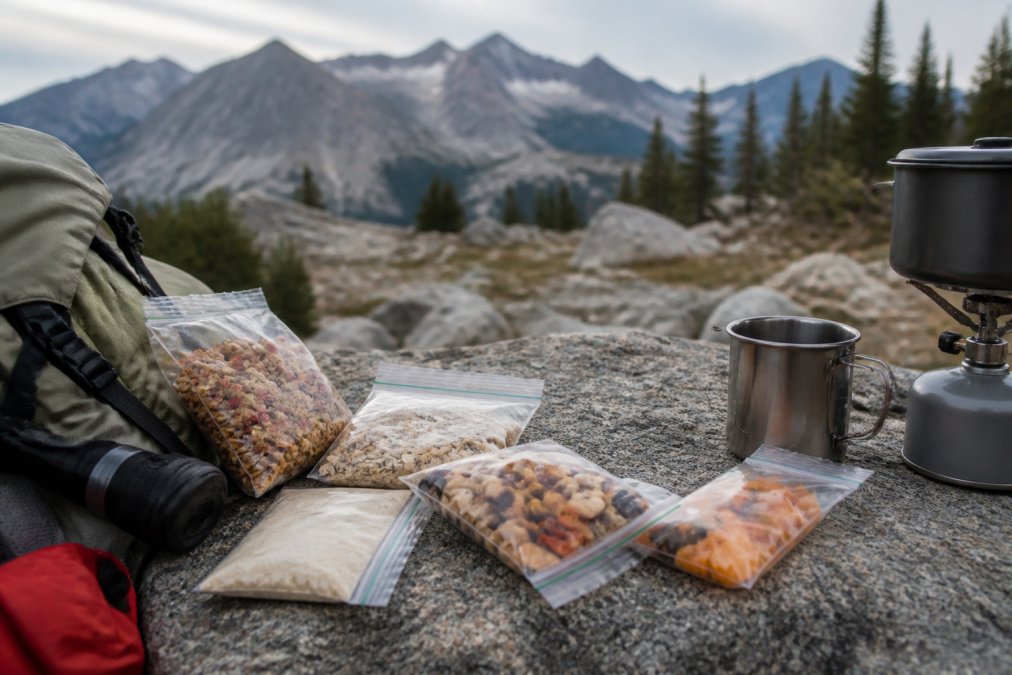
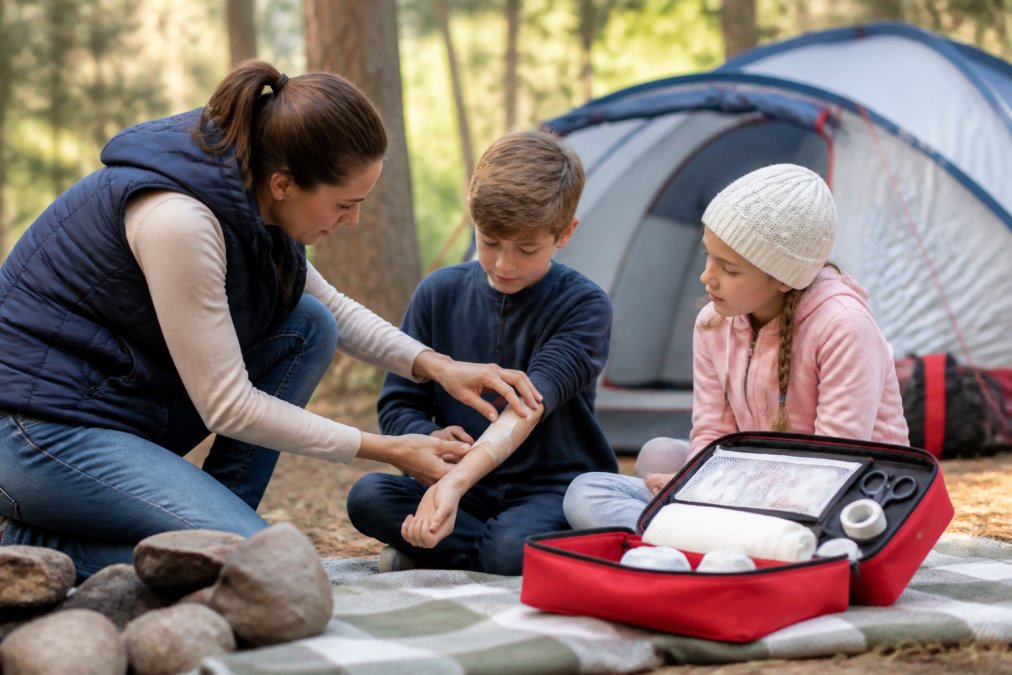

Table of Contents
- Best Camping Gear for Beginners 2026: Quick Comparison
- How We Selected These Products
- Best Tents for Beginners: Car Camping vs. Backpacking
- Sleeping Systems: Bags, Pads, and R-Value Explained
- Camp Kitchen, Cooking Equipment, and Water Filtration
- Lighting, Packs, and Camp Furniture for Beginners
- Essential Camping Checklist for Beginners
- Budget Camping Gear for Beginners: Rent, Buy, or Start Small
Last Updated: August 2, 2026
Finding the best camping gear for beginners 2026 is harder than it looks. The gear categories that truly determine whether your first trip is a success or a miserable slog are shelter, sleep, water, and light. Get those four right and everything else is refinement.
The smarter approach is building a tiered kit, starting with versatile, forgiving equipment that teaches you what you actually need before you invest in specialized pieces.
Best Camping Gear for Beginners 2026: Quick Comparison
| Product | Best For | Key Spec | Standout Feature |
|---|---|---|---|
| Coleman Sundome 4-Person Tent | Car camping beginners | 4 ft. 11 in. center height | 10-minute setup, WeatherTec floor |
| REI Co-op Magma 15 Sleeping Bag | 3-season backpacking | 850-fill-power down, 15°F rating | Weight-to-warmth ratio |
| REI Co-op Camp Dreamer XL Pad | Car camping comfort | R-value 6.6 | 4-inch self-inflating foam |
| MSR PocketRocket 2 Stove | Lightweight cooking | 2.6 oz, 3.5-min boil | Compact, no priming needed |
| Sawyer Squeeze Water Filter | Backcountry water safety | 3 oz, lifetime warranty | Removes 99.99999% of bacteria |
| Black Diamond Spot 400-R | All-conditions lighting | 400 lumens, IPX8 rated | Rechargeable, red night mode |
| Osprey Rook 65 Backpack | Multi-day beginners | 65L, AirSpeed suspension | Built-in rain cover |
| Helinox Chair Zero | Backpacking comfort | 1 lb. 2 oz. | Packs to water-bottle size |
How We Selected These Products
Every product was evaluated against three criteria: setup simplicity, weather resistance, and packability. A fourth filter, durability relative to price, eliminated options showing seams and zipper failures after two or three trips. The products cover both car camping and backpacking because beginners rarely know which style they'll prefer until trying both. According to Leave No Trace Center for Outdoor Ethics guidelines, proper gear selection directly reduces environmental impact because well-prepared campers are less likely to improvise in ways that damage ecosystems.
Best Tents for Beginners: Car Camping vs. Backpacking
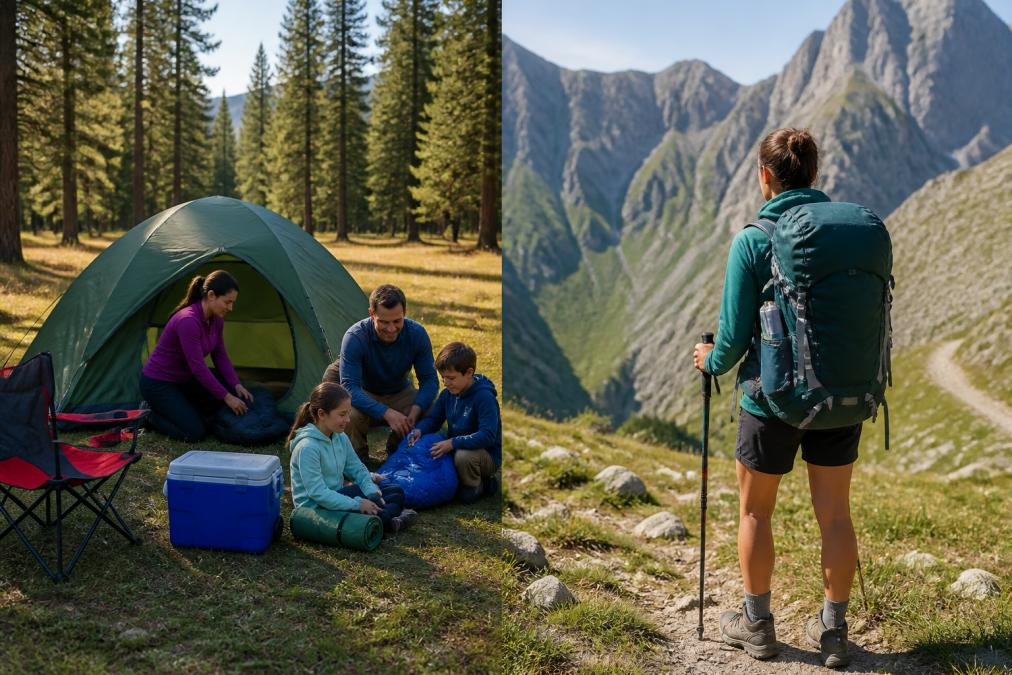
Choosing a first tent comes down to one honest question: will you drive to your campsite or carry everything on your back? The answer changes the entire spec sheet. For car camping, bulk and weight are irrelevant. For backpacking, base weight becomes the obsession that shapes every other gear decision.
Coleman Sundome 4-Person Tent: Best for Car Camping
The Coleman Sundome sets up in about 10 minutes using continuous pole sleeves. The WeatherTec system uses welded floors and inverted seams, handling hard overnight rain without soaking through at the base. Center height of 4 ft. 11 in. allows comfortable movement. Large windows and a ground vent prevent the interior from turning into a greenhouse on warm nights.
The Sundome is not a three-season tent in demanding conditions and is too bulky for backpacking.
Pros:
- Fast, beginner-friendly setup
- WeatherTec welded floor keeps you dry
- Good ventilation for warm-weather camping
Cons:
- Not suited for extreme weather or backpacking
- Packs large compared to backpacking tents
Pro Tip
Buy a footprint or ground cloth separately. A footprint extends tent life significantly and costs a fraction of a replacement tent.
Sleeping Systems: Bags, Pads, and R-Value Explained
Sleep quality on a camping trip is almost entirely determined by your sleeping system, not your tent. This is where most beginners underinvest.
Sleeping pad R-value measures how well a pad blocks cold from the ground. An R-value below 2 is summer-only. An R-value of 4 or above handles three-season camping comfortably. Four-season use typically demands R-values of 5 or higher.
REI Co-op Magma 15 Sleeping Bag
The REI Co-op Magma 15 is the best sleeping bag for beginner backpackers. The 15°F temperature rating covers the vast majority of three-season camping conditions across the continental United States, and the 850-fill-power goose down delivers a weight-to-warmth ratio that synthetic bags at this price range can't match. The water-resistant down treatment maintains loft in damp conditions. The draft collar and zipper baffle prevent heat loss at the neck and zipper, where cheap mummy bags fail on cold nights.
Down bags cost more than synthetic insulation at the same temperature rating. In wet climates where down's moisture vulnerability is a real concern, a synthetic bag is a reasonable starting point.
REI Co-op Camp Dreamer XL Self-Inflating Pad
For car campers, the Camp Dreamer XL is as close to sleeping on a home mattress as you'll get at a campsite. Four inches of air and engineered foam provide edge-to-edge support that thinner pads can't match. The R-value of 6.6 makes it a four-season pad, ensuring it will never be the reason you're cold. The dual valve system inflates and deflates quickly, and the included pump sack doubles as a pillow.
Watch Out
Never store a self-inflating pad rolled tight for long periods. Store it unrolled or loosely folded with the valve open. Compressed foam loses its ability to self-inflate over time, the most common cause of premature pad failure.
Camp Kitchen, Cooking Equipment, and Water Filtration
The biggest mistake beginners make is over-packing the camp kitchen. Start simple: one stove, one pot, one filter.
MSR PocketRocket 2 Stove
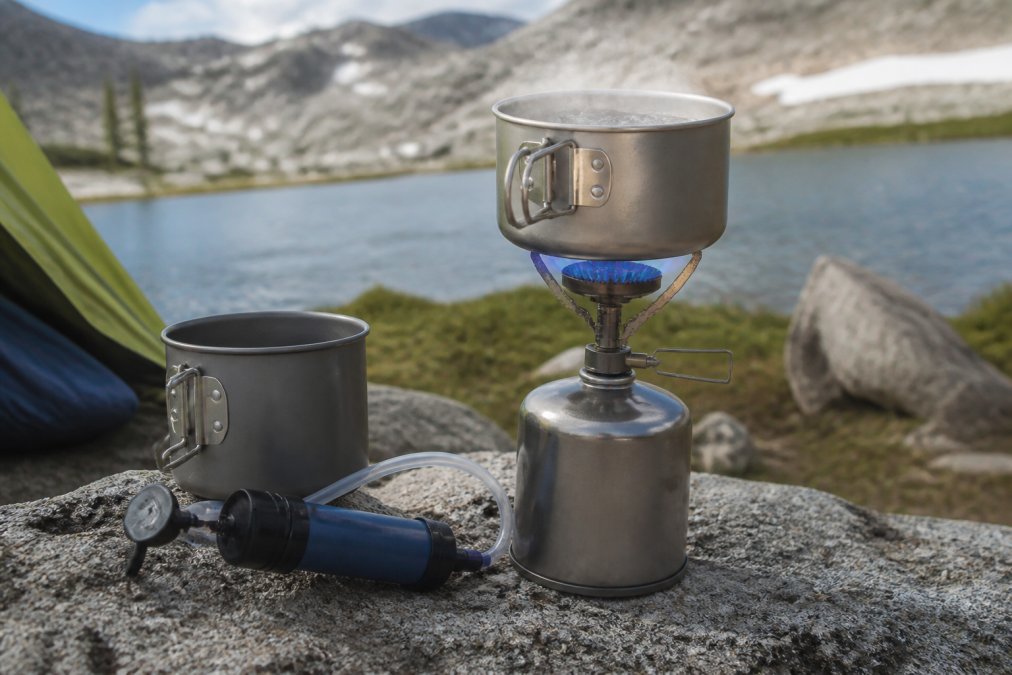
At 2.6 ounces, the MSR PocketRocket 2 screws directly onto a standard isobutane canister and boils one liter of water in 3.5 minutes. The WindClip wind protection and focused burner maintain consistent flame in conditions that extinguish cheaper stoves. No priming is required, which matters more than it sounds, stoves requiring priming add a step easy to skip incorrectly in cold, tired conditions. The fully adjustable flame handles simmering as well as high-heat boiling.
Carry a lighter or fire starter as backup since there's no built-in igniter. For three-season backpacking and car camping, the PocketRocket 2 is the most sensible first stove on the market.
Sawyer Squeeze Water Filter System
Water filtration is non-negotiable for backcountry camping. The Sawyer Squeeze removes 99.99999% of bacteria and 99.9999% of protozoa, along with 100% of microplastics, at just 3 ounces. It works inline, attached to a hydration bladder, or directly on standard water bottles, making it the most versatile filter option for beginners.
The manufacturer backs it with a lifetime limited warranty. Flow rate decreases over time with heavy use, but backflushing with the included syringe restores performance. Many experienced campers replace the fragile included pouches with a standard 28-ounce SmartWater bottle, which threads directly onto the filter.
Lighting, Packs, and Camp Furniture for Beginners
A headlamp failure at 2 a.m. in an unfamiliar campsite is a genuine safety issue. A pack that fits poorly makes every mile harder than it needs to be.
Black Diamond Spot 400-R Headlamp
The Black Diamond Spot 400-R is the headlamp to buy if you're buying one for everything. At 400 lumens, it's bright enough for trail navigation, camp setup, and reading. The IPX8 waterproof rating survives submersion to one meter for 30 minutes. The rechargeable integrated battery eliminates mid-trip battery scrambles, and the red night vision mode preserves natural night vision around camp. PowerTap Technology lets you switch between full brightness and dimmed mode with a single tap.
Osprey Rook 65 Backpack
The Osprey Rook 65 is the right first backpacking pack for most beginners. The AirSpeed suspension system creates a ventilated channel between the pack and your back, making a real difference on warm days. At 65 liters, it's large enough for three to four nights of gear without encouraging the overpacking that plagues beginners with larger packs. The integrated removable rain cover is always there when a storm rolls in unexpectedly. Dual mesh side pockets and a fixed top lid with zippered pocket handle organization for frequently needed items.
Helinox Chair Zero
Backpackers who think camp chairs are a luxury have never sat on a log for three days. The Helinox Chair Zero weighs 1 lb. 2 oz. and packs to the size of a water bottle. The aluminum alloy frame supports up to 265 pounds, and the breathable mesh fabric keeps you cool. Setup takes under a minute once you've done it twice. The low seating position is the one genuine limitation for people with knee issues or limited mobility.
Key Takeaway
For beginners deciding between car camping and backpacking gear, start with car camping equipment, do two or three trips, then identify specifically what you wish weighed less. That real-world data is worth more than any spec sheet.
Essential Camping Checklist for Beginners
A solid camping checklist focuses on five functional categories that determine safety and comfort.
Shelter and Sleep:
- Tent with footprint or ground cloth
- Sleeping bag rated for expected low temperatures
- Sleeping pad with appropriate R-value
- Tent repair kit (pole splint, seam sealer)
Water and Food:
- Water filter or purification tablets as backup
- Camp stove and fuel canister
- Lightweight cookware set (one pot covers most meals)
- Bear canister or hang bag if required by permit area
Navigation and Safety:
- Headlamp with extra batteries or charged battery
- Multi-tool or camp knife
- First aid kit including blister treatment
- Fire starter and waterproof matches
- Trail map and compass (don't rely solely on phone GPS)
Clothing and Layering System:
- Moisture-wicking base layer
- Insulating mid-layer with synthetic insulation or down fill power appropriate for conditions
- Waterproof outer shell
- Hiking boots or trail shoes broken in before the trip
- Trekking poles for technical terrain
Camp Organization:
- Headlamp accessible from sleeping bag
- Stuff sack system to organize pack contents
- Campsite organization: food, waste, and sleeping areas separated
According to National Park Service camping safety guidance, proper food storage and campsite organization are the most commonly overlooked safety practices among first-time campers, with bear canister requirements varying by specific wilderness area and permit zone.
Budget Camping Gear for Beginners: Rent, Buy, or Start Small
Budget camping gear for beginners doesn't mean cheap gear. Cheap gear fails in the field, which is expensive in ways beyond money.
Rental vs. Buying: What Makes Sense for a First Trip
Renting gear before your first trip lets you test a sleeping bag, tent, or pack before committing. For a one-time or occasional camper, renting for a weekend costs a fraction of buying quality versions outright. If you camp two or more times per year, owning quality gear pays for itself within two to three seasons compared to rental costs.
| Scenario | Recommendation | Reason |
|---|---|---|
| First-ever camping trip | Rent tent and sleeping bag | Test before committing |
| One trip per year | Rent shelter, buy sleep system | Sleeping comfort is personal |
| Two or more trips per year | Buy all core gear | Rental costs exceed ownership |
| Unsure of camping style | Rent, then buy what you wished was better | Real-world data beats speculation |
Best For
Beginners who want to test gear before buying should look for REI Outdoor School programs or university outdoor recreation centers, which often rent quality equipment at low daily rates.
Weather-Specific Gear Kits: What to Add Based on Conditions
Standard beginner kits assume mild three-season conditions. Specific environments demand specific additions.
Desert and Hot Weather: Add a sun shelter or tarp, electrolyte supplements, and a high-capacity water filtration setup.
Cold Weather and Winter Camping: Upgrade your sleeping pad R-value to 5 or higher, add a vapor barrier liner, and replace or supplement a three-season bag with one rated at least 10°F below your expected low temperature.
Wet and Rainy Environments: Seam-seal your tent before the trip. Add waterproof stuff sacks for electronics and sleeping bags. A tarp pitched over the cooking area makes meal prep functional in sustained rain.
High Altitude: Add trekking poles to reduce knee strain on descent and increase water intake significantly. Plan an acclimatization day if ascending above 8,000 feet quickly.
Gear Maintenance and Repair: Making Your Investment Last
Maintenance determines longevity more than initial quality. A mid-range tent properly dried, stored, and seam-sealed annually will outlast an expensive tent packed wet and stored compressed.
Tent care: Always dry your tent completely before storage. Pack it loosely rather than in its stuff sack for long-term storage. Apply seam sealer to the fly and floor seams every one to two seasons.
Sleeping bag care: Down sleeping bags should be washed with down-specific detergent and dried on low heat with tennis balls to restore loft. Never store a down bag compressed in its stuff sack; use a large cotton storage sack instead.
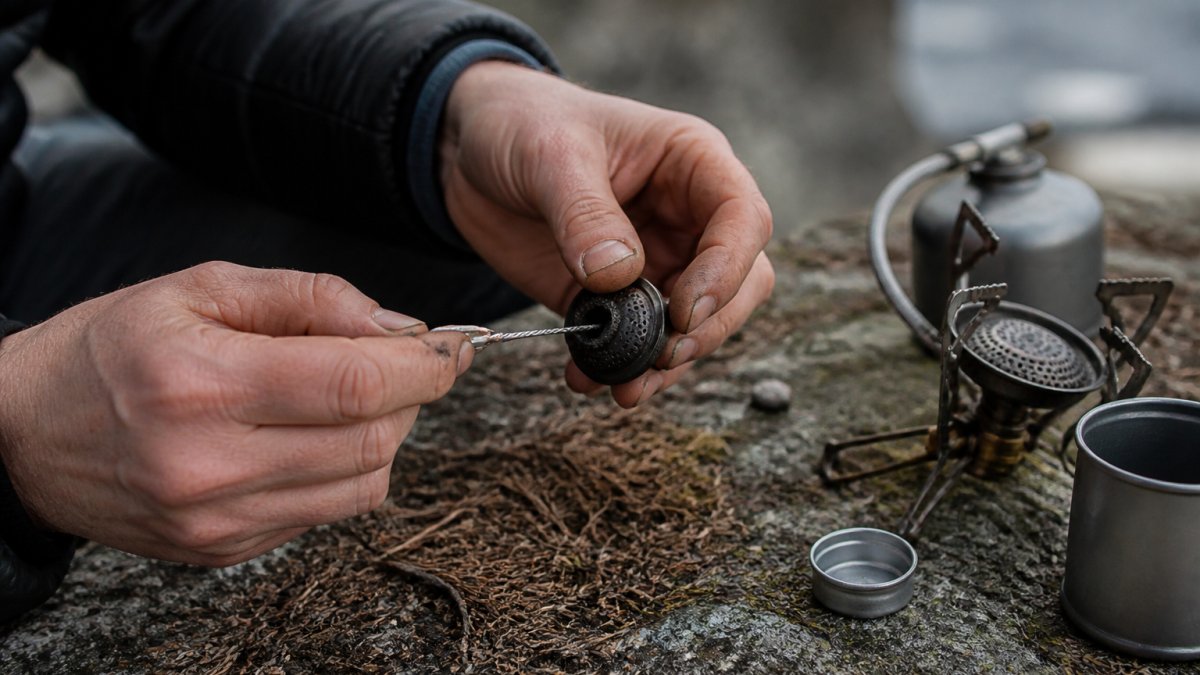
Stove maintenance: Clean the burner jets on canister stoves with a thin wire after every few uses.
Water filter care: Backflush the Sawyer Squeeze after every trip and store it dry. A filter that freezes while wet can crack the internal membrane, the most common cause of filter failure among beginners.
Sustainability and Eco-Friendly Camping
Sustainable camping gear choices reduce environmental impact without sacrificing performance. Beginners are in a good position to start with better habits rather than unlearning worse ones.
Buy durable over cheap: A tent lasting 10 years has a significantly lower environmental footprint than three cheap tents failing in three years each.
Choose repairable gear: Brands offering repair services and spare parts extend product life substantially.
Pack out everything: The Leave No Trace principles cover waste management, campfire impact, and wildlife interaction.
Water filtration over single-use: A Sawyer Squeeze filter eliminates single-use plastic water bottles on every trip. Over a single season of regular camping, the plastic waste reduction is significant.
Getting started with the right kit is genuinely the hardest part of camping for beginners, because the options are overwhelming and the consequences of poor choices show up in the field, not the store. GreatAdventureSupply curates outdoor and sporting goods selected specifically for performance and reliability in real conditions, so you're not sorting through products that look good on a spec sheet but fall apart on a trail. Browse the full camping collection at GreatAdventureSupply to find gear matched to your experience level and planned conditions, and add the pieces that will make your first trip safer, more comfortable, and worth repeating.
Frequently Asked Questions
What camping gear do I really need for my first trip?
For a first camping trip, the core items are a shelter (tent or tarp), a sleeping bag rated for the expected temperatures, a sleeping pad, a light source such as a headlamp, a way to cook or store food, and a water filtration system. Beyond those basics, a first aid kit, fire starter, and a multi-tool cover most emergencies. Start with this short list before adding extras like camp chairs or specialty cookware. The best camping gear for beginners prioritizes function over features.
How much should a beginner spend on camping gear?
Spending depends on how often you plan to camp and what type of camping you want to do. Budget camping gear for beginners can cover a full car camping kit for a few hundred dollars if you shop thoughtfully and prioritize the essentials first. Backpacking gear costs more because weight and packability matter. A practical approach: buy a mid-range tent and sleeping bag, then add items trip by trip. Renting gear for your first one or two outings is also a smart way to test what you actually need before committing.
Is it better to rent or buy camping gear as a beginner?
Renting makes sense for a first or second trip, especially for big-ticket items like tents and sleeping bags. It lets you test different styles without upfront cost and helps you figure out what fits your camping habits. Many outdoor retailers and gear libraries across the US offer rental programs. Once you know you'll camp regularly, buying your own gear pays off quickly. Start by purchasing items you'll use on every trip, such as a headlamp, water filter, and layering clothes, then invest in shelter and sleep systems once your preferences are clear.
What are the essential camping safety items for beginners?
Camping safety tips for beginners always start with a well-stocked first aid kit sized for your group and trip length. Beyond that, carry a fire starter, a whistle, a map of the area (do not rely solely on a phone), and a headlamp with extra batteries or a rechargeable model. A bear canister or bear bag is required in many US wilderness areas. Let someone at home know your planned route and return date. Dressing in moisture-wicking layers and packing a rain layer prevents hypothermia, which is one of the most common backcountry risks.
How do I choose the right tent for a first-time camper?
Match the tent to your camping style first. Car campers can prioritize space and easy setup, making a three-season dome tent like the Coleman Sundome a practical starting point. Backpackers need to factor in base weight and packability, which pushes the choice toward lighter single or double-wall designs. Check the tent's weather resistance rating and floor construction before buying. For most US conditions from spring through fall, a three-season tent handles rain and mild wind well. Families should size up: a four-person tent comfortably sleeps two to three adults with gear.
This article was written using GrandRanker