Cart
0
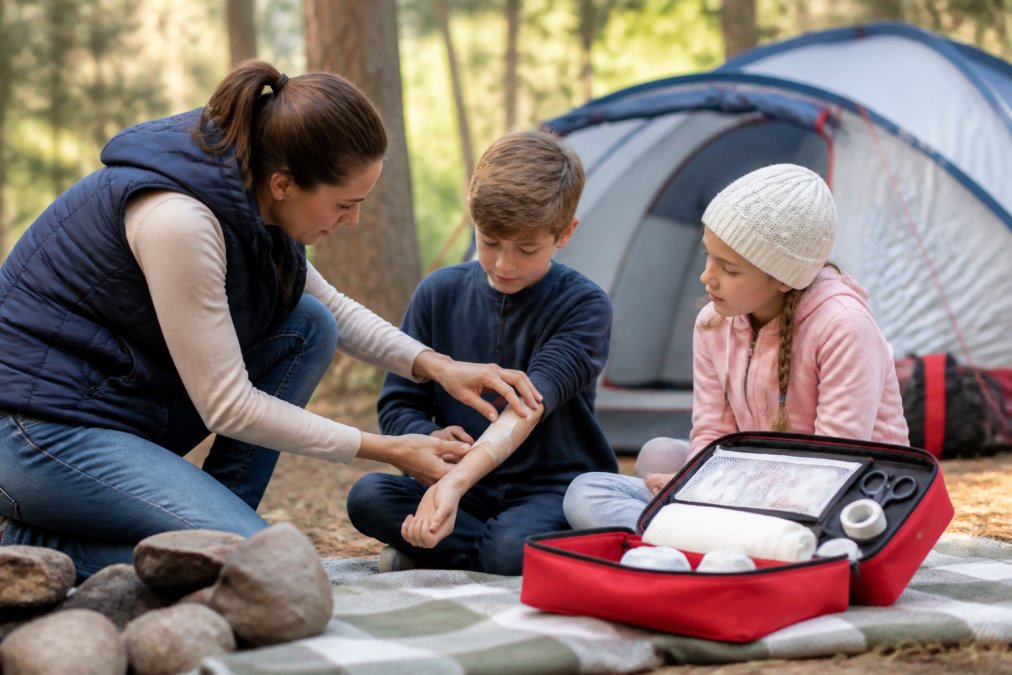
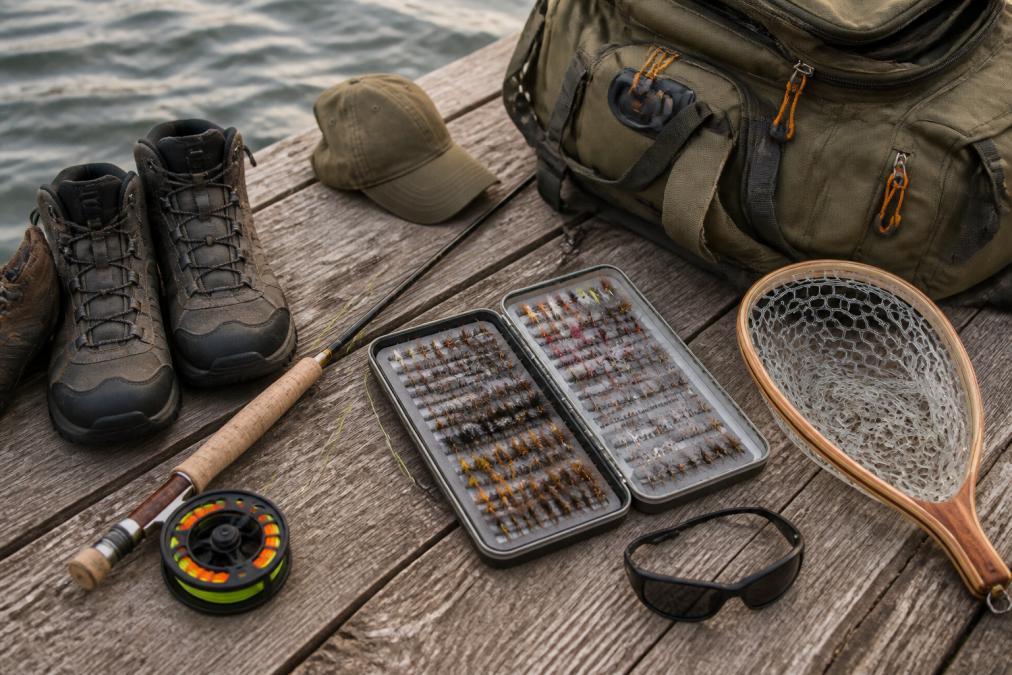
Table of Contents
- Your Complete Fly Fishing Gear Checklist
- How to Choose a Fly Fishing Rod for Your Trip
- Must-Have Fly Fishing Accessories for Every Angler
- Fly Reels, Fly Lines, and Packs Worth Carrying
- Clothing, Sun Protection, and Staying Comfortable All Day
- Gear for Beginners vs. Experienced Anglers: Where to Spend and Where to Save
- Travel-Specific Fly Fishing Gear Logistics and Emergency Prep
- Conclusion
Last Updated: August 5, 2026
Fly fishing trips demand the right gear, packed smartly and chosen carefully. At GreatAdventureSupply, we've put together this complete guide to the best gear for fly fishing trips so you can spend more time on the water and less time troubleshooting equipment failures. Whether you're chasing trout on a remote Montana creek or wading a tailwater in the Smokies, the gear you carry shapes every cast, every drift, and every fish you land.
Quick Picks:
- Best Budget Rod: Redington Path II, reliable medium-fast action, lifetime warranty, ideal for beginners
- Best Mid-Range Rod: Sage Foundation, American-made, forgiving fast action, excellent value for the performance
- Best Performance Rod: Orvis Recon, fast-action precision, 25-year guarantee, built for serious anglers
- Best Reel: Lamson Liquid S, high-end drag quality at an accessible price point
- Best Pack: Fishpond Thunderhead Submersible Sling, fully waterproof, built for demanding water conditions
Your Complete Fly Fishing Gear Checklist
A solid fly fishing packing list connects every piece of gear: the rod loads the line, the line carries the leader, the leader presents the fly. Miss one link and the whole system breaks down.
| Gear Category | Essential Items | Priority Level |
|---|---|---|
| Core System | Rod, reel, fly line, backing | Must-have |
| Wading Gear | Waders, wading boots, wading belt | Must-have |
| Terminal Tackle | Leaders, tippet, fly box | Must-have |
| Accessories | Hemostats, nippers, floatant | Must-have |
| Clothing | Sun shirt, hat, polarized sunglasses | Must-have |
| Pack | Vest, chest pack, or sling | Strongly recommended |
| Emergency/First Aid | Basic kit, emergency whistle | Strongly recommended |
Core System: Rod, Reel, Line, and Backing
The core system is where you cannot afford to cut corners. A mismatched rod, reel, and fly line will punish every cast.
Fly rod selection drives everything else. Match your rod weight to your target species: a 4-weight handles small stream trout, a 5-weight or 6-weight covers most freshwater scenarios, and an 8-weight or heavier handles saltwater or large streamers.
Fly reel function matters most when fighting larger fish or in running water. A smooth drag system is the difference between a landed fish and a broken tippet. The Lamson Liquid S offers pressure-cast construction with a redesigned drag system that performs well above its price point.
Fly line selection matters more than most beginners realize. A weight-forward line is the standard choice for most freshwater fishing. The Scientific Anglers Amplitude Smooth Infinity uses AST Plus technology for superior slickness, while the RIO Premier Gold features a SlickCast coating and low-stretch core for enhanced sensitivity.
Backing connects your fly line to the reel arbor and gives you reserve line when a big fish runs. For most freshwater fishing, 100 yards of 20-pound Dacron backing is sufficient.
Waders, Wading Boots, and Wading Belt
Breathable fabric waders like the Simms Freestone use Toray QuadraLam 4-layer construction, durable enough for rocky riverbeds and breathable enough for all-day summer wading. The stretch elastic suspenders allow easy waist-high conversion when hiking between pools.
The wading belt is non-negotiable for safety. According to American Whitewater safety guidelines, a wading belt dramatically reduces water entry into waders during a fall, keeping you buoyant and in control.
Wading boots determine your traction on slippery substrate. The Korkers Darkhorse uses an OmniTrax interchangeable sole system; swap between rubber soles for general use and felt or studded soles for algae-covered rocks. The M2 Boa lacing system cinches tight in seconds.
Watch Out
Felt-soled wading boots are banned in some US states due to their role in spreading invasive aquatic species like didymo. Check your state's regulations before selecting a sole type. The [US Fish and Wildlife Service invasive species guidelines](https://www.fws.gov/species/invasive-species) maintains updated state-by-state restrictions.
How to Choose a Fly Fishing Rod for Your Trip
Choosing the right fly rod comes down to three variables: line weight, action, and budget. Get these right and every other piece of your system falls into place.
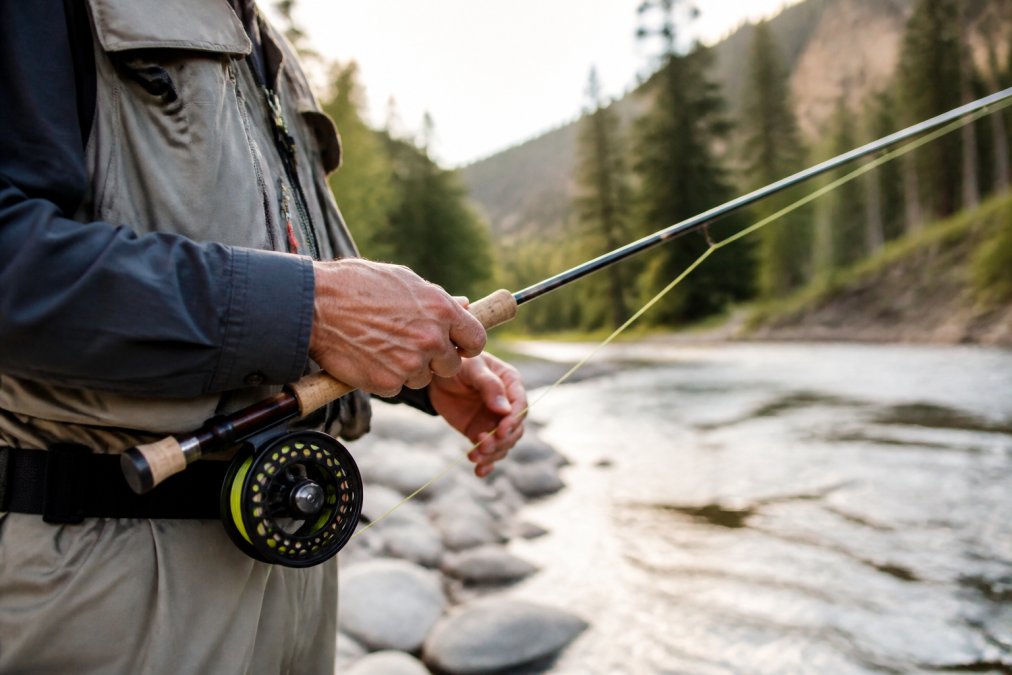
Line weight should match your target species and typical fly sizes. A 5-weight is the most versatile freshwater rod. Rod action describes how the rod bends under load: fast-action rods bend mostly at the tip for power and distance, medium-fast rods bend deeper for forgiveness and feel.
Budget Pick: Redington Path II
The Redington Path II is the best entry point for anglers learning to cast or building a travel rod without risking an expensive setup on a remote trip. Its medium-fast graphite action is forgiving enough for developing casting strokes while delivering accurate presentations at practical fishing distances.
Best for: Beginner to intermediate anglers who want a reliable all-water rod without significant financial commitment.
Standout feature: Alignment dots on the rod sections make setup fast in low light, a detail that matters on a cold morning.
- Lifetime warranty covers manufacturing defects
- Durable Cordura rod tube with built-in dividers protects sections during travel
- Versatile for both freshwater and saltwater conditions
Mid-Range Pick: Sage Foundation
The Sage Foundation is where fly fishing starts feeling like fly fishing. Handcrafted on Bainbridge Island, Washington, it uses Graphite IIIe technology to deliver a fast action with genuine forgiveness.
Best for: Anglers who've outgrown entry-level rods and want American-made quality without paying for Sage's flagship lineup.
Standout feature: The forgiving fast action handles varied casting styles, making it a strong choice for anglers still refining technique while needing performance to fish seriously.
- Black anodized aluminum up-locking reel seat
- Rugged black nylon rod tube with divided liner included
- Suitable for trout, bass, carp, and light saltwater species
Performance Pick: Orvis Recon
The Orvis Recon is built for anglers who have stopped making excuses for their gear. Its fast-action design delivers responsive feedback during casting and genuine ability to fight larger fish without hesitation.
Best for: Experienced anglers and guides fishing diverse conditions, from delicate dry fly presentations to heavy streamer work in big water.
Standout feature: A 25-year guarantee backs every Recon. Orvis actually honors it, which matters when investing at this level.
- Made in the USA
- Available in multiple line weights for freshwater and saltwater applications
- Exceptional durability under heavy guide-level use
Must-Have Fly Fishing Accessories for Every Angler
Most gear failures on the water aren't rod breaks or wader leaks. They're small things: a tangled leader, a fly stuck in a fish's jaw, a dry fly that won't float. The right accessories solve these problems before they ruin a session.
Leaders, Tippet, and Terminal Tackle
A tapered leader is the invisible connection between your fly line and your fly. For most trout fishing, a 9-foot tapered leader in 4X or 5X covers the majority of situations.
Tippet extends the life of your leader. Every time you tie on a new fly, you shorten the leader tip. Adding tippet material maintains proper presentation without burning through expensive leaders. Carry at least two tippet spools: one in 4X for general use and one in 5X or 6X for technical, low-clear-water situations.
Pro Tip
Most anglers carry too many tippet sizes and not enough of each. Two spools, well-chosen, outperform six spools that run out mid-trip. Refill before every multi-day outing.
A strike indicator suspends a nymph at a specific depth and signals takes that would otherwise go undetected. Putty-style indicators are adjustable and easy to remove; foam indicators are more visible in broken water.
Fly Box, Floatant, and Strike Indicators
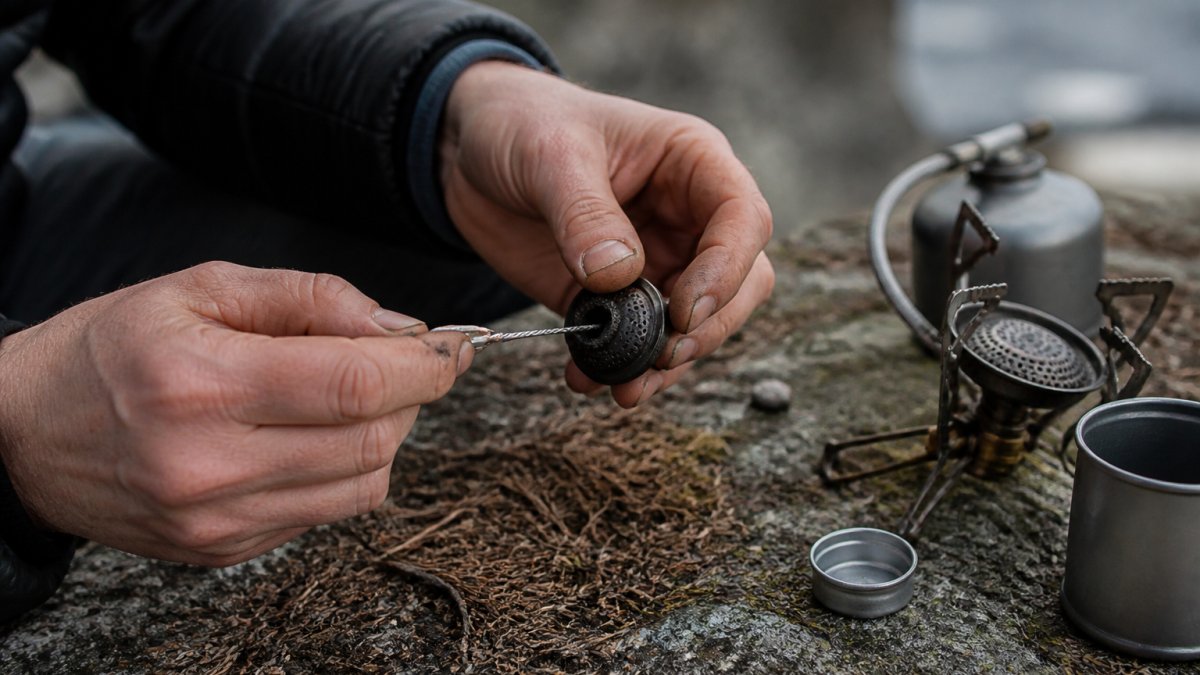
Organize your fly box by fly type: dry flies in one section, nymphs in another, streamers in a third. Magnetic foam boxes protect delicate dry fly hackles better than wire clips. Waterproof boxes protect your entire investment when you take an unexpected swim.
Floatant keeps dry flies riding high on the surface film. Apply it before your first cast, not after the fly starts sinking. Gel floatants work best on CDC and elk hair patterns; powder desiccants revive a waterlogged fly mid-session.
Hemostats, Nippers, and Forceps
Nippers (line cutters) should be sharp enough to cut tippet cleanly without fraying. Replace them when they start crushing rather than cutting.
Hemostats and forceps are curved or straight locking pliers that grip a hook for removal without harming the fish. A hook remover reduces handling time and keeps fish in the water longer. According to Trout Unlimited's catch-and-release best practices, minimizing air exposure and handling time significantly improves post-release survival rates.
Fly Reels, Fly Lines, and Packs Worth Carrying
The Lamson Liquid S reel delivers drag performance that rivals machined reels at a fraction of the cost. The larger arbor design reduces line memory and retrieves line faster, both practical advantages when a fish runs toward you.
For fly lines, the choice between the Scientific Anglers Amplitude Smooth Infinity and the RIO Premier Gold comes down to fishing style. The Amplitude's half-size heavy taper loads rods quickly and handles larger flies well. The RIO Premier Gold's versatile taper and low-stretch core make it stronger for technical dry fly presentations where sensitivity matters most.
For packs, the Fishpond Thunderhead Submersible Sling is the honest answer for anglers who fish demanding water. Its TRU Zip self-healing zipper keeps the main compartment completely waterproof. The 900D TPU-coated fabric handles abrasion from streamside brush and rocky scrambles. The integrated net slot keeps your landing net accessible without clipping it to a D-ring where it catches on every branch.
A fishing vest remains the classic choice for distributed weight and maximum pocket access. A chest pack sits higher on the body, staying dry in deeper wading situations. Choose based on how deep you wade and how much gear you realistically carry.
Clothing, Sun Protection, and Staying Comfortable All Day
The biggest mistake most fly anglers make with clothing is treating it as an afterthought. A sunburn on day two of a five-day trip changes everything.
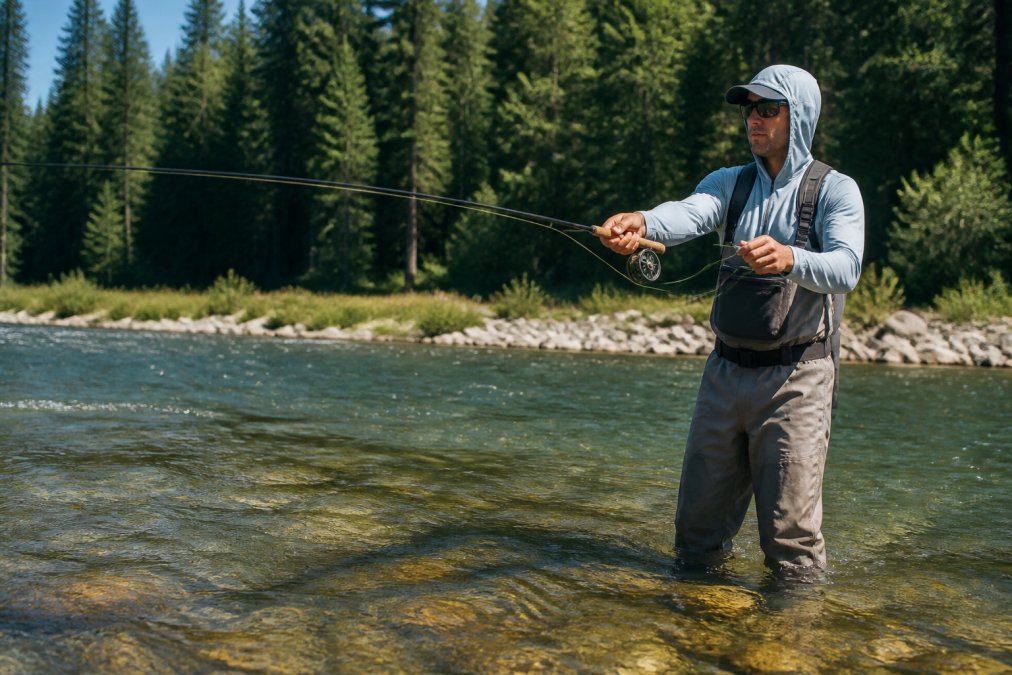
Quick-drying clothing is the baseline requirement. Cotton holds moisture and chills you when wet. Synthetic or merino wool fabrics dry fast, resist odor, and move with you during casting. A long-sleeve sun shirt with UPF 50+ rating protects your arms and neck through a full day of exposure without constant sunscreen reapplication.
Polarized sunglasses protect your eyes from UV damage and cut surface glare so you can see fish. Spotting fish before you cast to them is one of the core skills in fly fishing, and it's impossible without polarized lenses. Amber or copper lenses work well in low-light and overcast conditions; gray lenses reduce glare in bright sun.
A wide-brim hat paired with a buff or neck gaiter covers remaining exposed skin. According to the American Academy of Dermatology's outdoor sun safety guidelines, broad-spectrum SPF 30+ sunscreen should be reapplied every two hours on any exposed skin.
Layer strategically for temperature swings. A lightweight fleece mid-layer that compresses into a chest pack pocket handles transitions without adding significant weight.
Gear for Beginners vs. Experienced Anglers: Where to Spend and Where to Save
A beginner spending top dollar on a performance rod before developing casting mechanics is wasting money. Casting form, not rod quality, determines presentation accuracy at the beginner stage. The Redington Path II gives a new angler everything they need to develop real skills. Upgrade the rod when your casting has outgrown it.
Where beginners should NOT save: waders and wading boots. Cheap waders leak within a season. Cheap wading boots fail on slippery rock. Both failures are dangerous and expensive to fix mid-trip.
| Gear Category | Beginner Approach | Experienced Angler Approach |
|---|---|---|
| Fly Rod | Budget to mid-range (Path II, Foundation) | Performance pick matched to specialty |
| Fly Reel | Entry-level with decent drag (Lamson Liquid S) | Match to rod weight and target species |
| Fly Line | Mid-range all-purpose line | Specialty lines for specific techniques |
| Waders | Mid-range breathable stockingfoot | Premium with proven durability |
| Wading Boots | Solid rubber or interchangeable sole | Interchangeable sole system (Korkers) |
| Accessories | Basic kit: nippers, hemostats, floatant | Full kit plus spare leaders and tippet |
| Pack | Simple vest or small sling | Waterproof submersible pack |
Experienced anglers should invest in fly line quality before rod upgrades. A premium line on a mid-range rod outperforms a budget line on a performance rod.
Travel-Specific Fly Fishing Gear Logistics and Emergency Prep
Most fly fishing guides cover what to bring. Almost none cover how to travel with it.
Rod tubes matter more than you think. Multi-piece travel rods (4-piece or 5-piece) fit into airline carry-on tubes and eliminate the risk of checked baggage damage or loss. For air travel, a hard-sided rod case provides the best protection for performance rods.
Waders and boots add significant weight. Pack waders loosely folded; tight folding creates crease points that eventually leak. Allow boots to dry completely before packing to prevent mold growth.
Carry your fly box in your personal item, not checked luggage. A lost fly box means a lost trip. Keep terminal tackle, leaders, tippet, and your primary fly selection in your carry-on. Restock flies at local shops; it supports local businesses and gives you intel on current hatches.
Key Takeaway
The single most important travel prep step is calling ahead. Confirm fishing license requirements for your destination state, check current regulations, and ask local guides or fly shops about current conditions. A valid fishing license is legally required in every US state; purchase yours through your destination state's fish and wildlife agency before you arrive.
Emergency and first aid prep is the angle most fly fishing gear guides skip entirely. Remote fishing means remote emergencies. A basic angler's first aid kit should include:
- Waterproof adhesive bandages in multiple sizes
- Tweezers or forceps for hook removal from skin
- Antiseptic wipes
- Elastic bandage for sprains from wading on uneven substrate
- Emergency whistle
- Small flashlight or headlamp with fresh batteries
- Emergency space blanket
- Personal medications and any prescription items
Hook-in-skin emergencies are more common than anglers admit. The push-through or string-yank technique for removing embedded hooks is documented by wilderness medicine practitioners, but any hook embedded near the eye, face, or joint warrants professional medical attention.
Budget-conscious packing doesn't mean buying cheap gear, it means buying fewer, better pieces. One quality fly line outperforms two budget lines. One reliable pair of waders beats two pairs that need patching. The GreatAdventureSupply approach to gear curation is built on this principle: every item in our fishing collection is selected for field performance, not just price point. If you're building a kit from scratch, prioritize waders, boots, and a solid rod-and-reel combo first. Add specialty items as your fishing develops.
Frequently Asked Questions
What gear do I need for a fly fishing trip?
At minimum, you need a fly rod matched to your target species, a fly reel loaded with backing and fly line, a tapered leader and tippet, a selection of dry flies, nymphs, and streamers, and a valid fishing license for the state you're fishing. Add waders and wading boots for cold or deep water, polarized sunglasses for spotting fish, hemostats or forceps for hook removal, nippers for trimming tippet, and floatant for dry fly fishing. A chest pack or fishing vest keeps everything organized and accessible while wading.
How do I choose the right fly rod for a trip?
Match rod weight to your target species: a 4-weight or 5-weight covers most trout fishing, while a 7-weight or 8-weight suits bass and light saltwater. Rod length of 9 feet is the standard for most freshwater scenarios. Action matters too, medium-fast rods like the Redington Path II forgive casting errors, making them great for beginners, while fast-action rods like the Orvis Recon or Sage Foundation give experienced anglers more power and precision for longer casts and bigger fish.
Do I need waders for every fly fishing trip?
No. On warm summer days or when fishing from a boat or bank, waders are optional. They become essential when water temperatures are cold, when you need to wade deep to reach good holding water, or on multi-day backcountry trips where stream crossings are unavoidable. Breathable stockingfoot waders paired with wading boots give the best combination of comfort and mobility. If you fish year-round or in cold climates, investing in quality waders like the Simms Freestone pays off quickly in comfort and durability.
Is expensive fly fishing gear worth it for a beginner?
Not always. A beginner benefits most from a mid-priced rod with a forgiving medium-fast action, something like the Redington Path II at around $120 teaches casting fundamentals without the sticker shock of premium rods. Where spending more pays off at any level is on waders and wading boots: cheap waders fail at the seams and leave you cold and wet. A reliable reel with a smooth drag also matters more than most beginners expect, especially when a strong fish runs. Build your fly fishing gear list from the ground up, prioritizing fit and function over brand names.
What should I pack on a fly fishing packing list for a multi-day trip?
Beyond the core fly fishing gear, rod, reel, fly line, leader, tippet, and flies, a multi-day fly fishing packing list should include a rod tube for travel protection, extra tippet spools in multiple sizes, a waterproof pack like the Fishpond Thunderhead Sling, a first aid kit with blister treatment and antiseptic, quick-drying clothing, sun protection (sunscreen and a buff), polarized sunglasses, a wading belt for safety, and your state fishing license. If traveling by air, carry rods in a hard rod tube as a checked bag to avoid damage.
The challenge every angler faces before a trip is the same: knowing what to buy, what to skip, and what to upgrade. GreatAdventureSupply simplifies that decision by offering a curated collection of fly fishing gear selected for real-world performance, from entry-level rods to waterproof submersible packs. Browse our fishing gear collection to find the right combination for your next trip, and get everything you need in one place before the hatch starts without you.
This article was written using GrandRanker