Cart
0
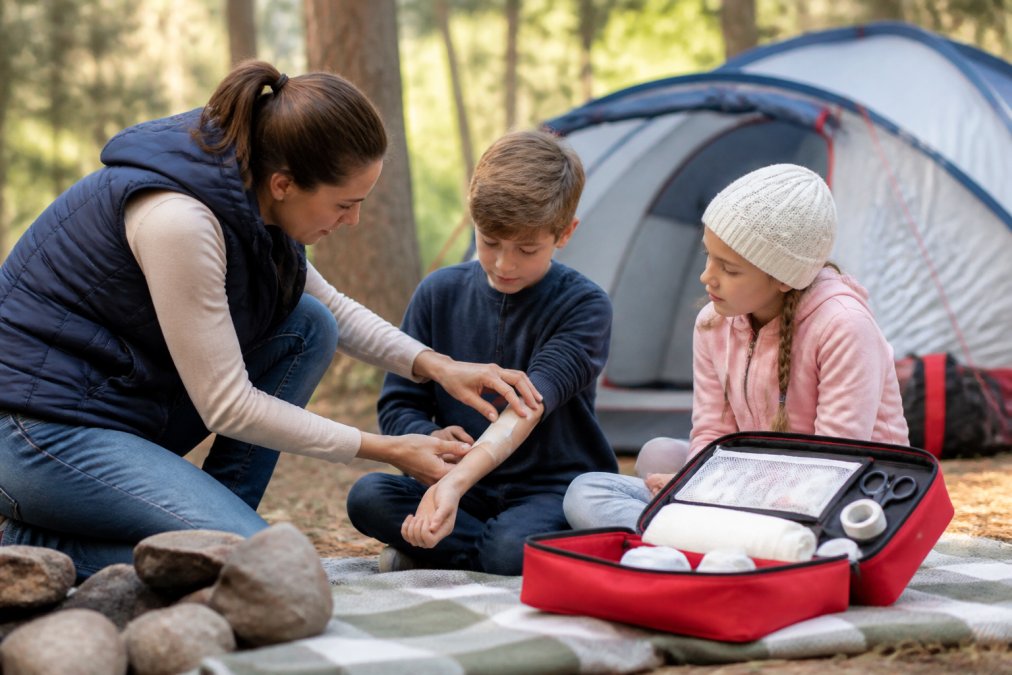
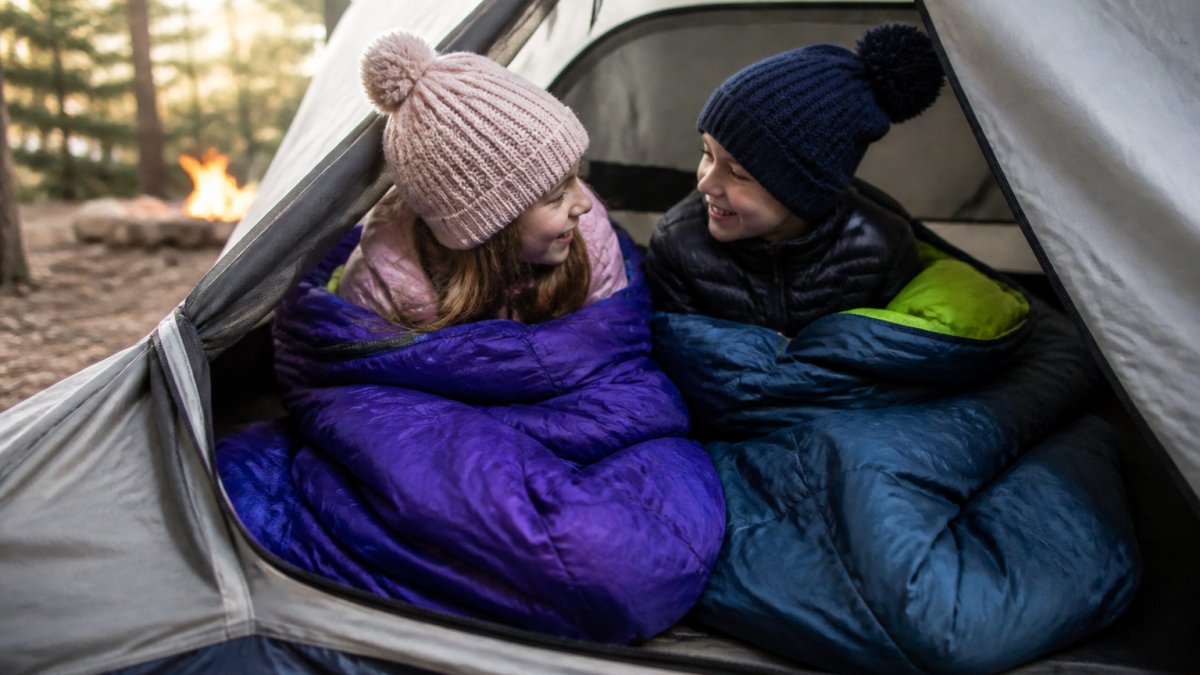
Table of Contents
- Why Kids Get Cold at Night (and How to Fix It Before Bedtime)
- How to Keep a Baby Warm While Camping: Safe Sleep for Infants
- Kids Camping Sleeping Bag Temperature Rating: What Number Is Right?
- What Should Kids Wear to Sleep Camping? Layering from Base to Shell
- Insulate the Ground First: Sleeping Pads and R-Values Explained
- How to Insulate a Tent for Winter Camping: Heat, Ventilation, and Moisture
- Midnight Troubleshooting: What to Do When a Child Wakes Up Cold
- Conclusion: Build the Sleep System Before You Leave Home
- Frequently Asked Questions
Last Updated: October 13, 2026
Why Kids Get Cold at Night (and How to Fix It Before Bedtime)
To keep kids warm at night, trace back to three things: cold ground, damp clothing, or a bag that doesn't match the forecast.
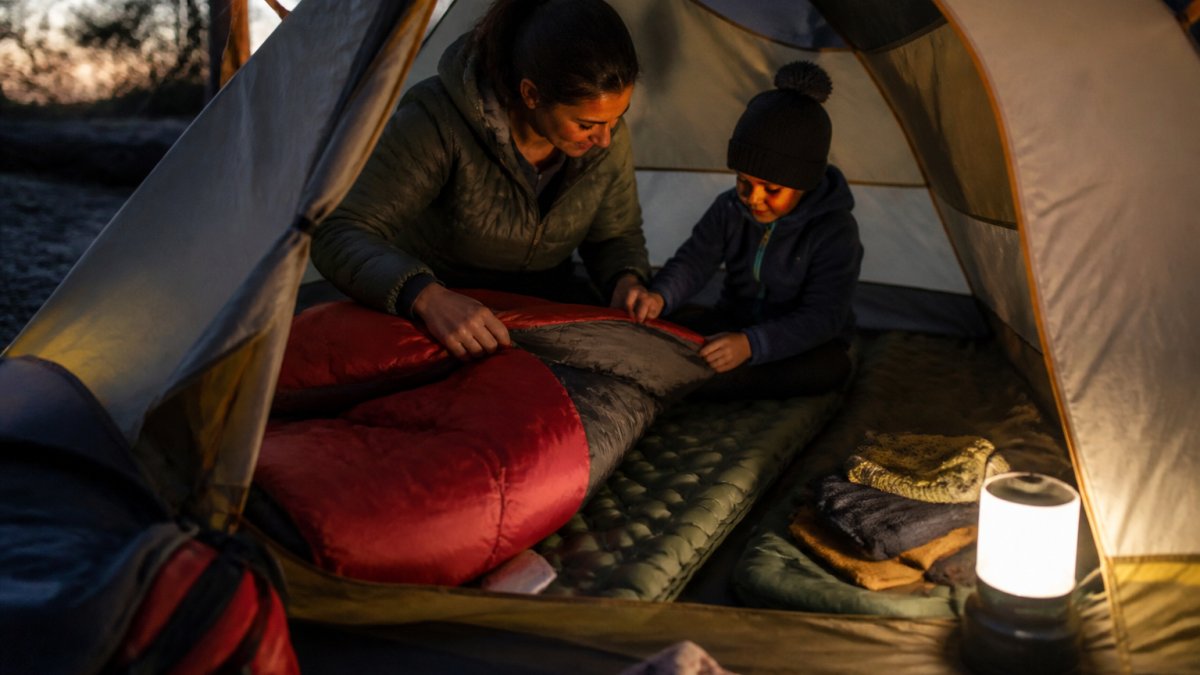
Children lose heat faster than adults: smaller bodies hold less warmth, and they sleep closer to the ground where cold air settles.
Every fall, families tell us they packed for a 50°F night and got 35°F. The fix isn't more blankets, it's a system.
A good sleep system has four parts:
- Insulation from below (a pad, not just a bag)
- A bag rated for the real forecast
- Dry, layered sleep clothes
Get those right and the rest of the night takes care of itself.
Key Takeaway
The ground pulls heat out of a sleeping body faster than the air does. A warm bag on a cold pad still leaves a child shivering by 2 a.m.
How to Keep a Baby Warm While Camping: Safe Sleep for Infants
The safest way to keep a baby warm while camping is one fitted warm layer plus a wearable blanket or sleep sack, a firm sleep surface clear of loose bedding, and reliance on tent insulation and shared body heat rather than blankets.
The American Academy of Pediatrics safe sleep recommendations are the standard here: babies sleep on their backs, on a firm, flat surface, with nothing loose in the sleep space. A tent is not an exception.
Why Loose Bedding Is the Wrong Warmth Tool
An infant's airway is small and their neck muscles are weak. If a blanket or adult sleeping bag ends up over the face, a baby may not be able to move it, the physical risk behind the safe-sleep rules. Wearable warmth cannot ride up over the face the way a loose blanket can.
Safe Sleep Setup for Babies Under 12 Months
- Sleep surface: a firm, flat, dedicated sleep space, a portable crib or bassinet rated for sleep, not a sleeping pad, air mattress, or adult sleeping bag.
- Clothing: one warm, fitted sleeper plus a temperature-rated sleep sack. Add a thin base layer underneath in cold conditions.
- No loose items: no blankets, pillows, bumpers, stuffed animals, or adult bags in the sleep space.
How to Judge Whether a Baby Is Warm Enough
Cold hands and feet are normal in infants, circulation prioritizes the core, so don't use them as your gauge. Instead, slide two fingers against the back of the baby's neck or upper chest:

- Warm and dry: appropriately dressed.
- Hot or sweaty: remove a layer. Overheating is its own risk.
- Cool: add a layer, starting with the torso.
Check at bedtime and at any night waking. If unsure, err toward one fewer layer and a warmer sleep sack rather than loose bedding.
Toddlers and Preschoolers (1-4 Years)
Once a child can roll, sit, and pull a blanket off their own face, a fitted toddler sleep sack is still safest. If you transition to a small child's sleeping bag, choose one with a snug hood or no hood, and avoid adult bags that swallow a small body, a toddler can slide down inside one and lose insulation around the head and shoulders.
Watch Out
Never use a catalytic heater, hot-water bottle, or heat pack inside an infant's sleep space. A heater that tips is a burn and fire risk, and a hot-water bottle can leak and soak the bedding, which then pulls heat out of the baby all night.
Key Takeaway
The rule is simple: wearable warmth for the baby, firm flat surface underneath, nothing loose in the sleep space. Warm the tent, not the bedding.
Kids Camping Sleeping Bag Temperature Rating: What Number Is Right?
A bag's temperature rating is the lowest temperature at which an average adult stays comfortable, not a child. For kids, add a 10°F buffer to the forecast.
That tag number matters more than almost anything else you buy: 40°F is a summer bag, while 20°F handles most three-season family trips.
Matching a Bag to Your Forecast
| Forecast Low | Bag Rating to Buy | Extra Layer Needed |
|---|---|---|
| 50°F and up | 40°F bag | None |
| 40-50°F | 30°F bag | Light base layer |
| 30-40°F | 20°F bag | Base layer plus hat |
| Below 30°F | 0-15°F bag | Full layering system |
Our 650 fill power down sleeping bag carries a 23°F to 41°F comfort range and a mummy shape that cuts dead air space, which helps smaller bodies hold heat. For a family setup, the sleeping bag, pad, and pillow combo set pairs a three-season bag with a matching pad so nothing shifts overnight.

What Should Kids Wear to Sleep Camping? Layering from Base to Shell
Kids should sleep in a thin moisture-wicking base layer, a warm mid layer, and a hat, with a fleece or puffy on standby. Leave cotton at home: it holds sweat against the skin and stops insulating once damp, the fastest route to a cold kid.
Sleeping Bag Sleeping Pad Pillow Combo Set →
Here's the layering order we recommend:
- Base layer: synthetic or merino wool, fitted but not tight
- Mid layer: fleece or light puffy
- Hat: a warm beanie, even in mild weather
- Socks: dry wool socks, changed right before bed
- Shell: only if the tent is drafty or damp
Pro Tip
Change socks and base layers right before bed, even if they look clean. Feet sweat during the day, and damp socks pull heat out all night.
Insulate the Ground First: Sleeping Pads and R-Values Explained
R-value measures how well a material resists heat flow, higher means more insulation. For kids on cold ground, aim for R-value 4 or higher.
This is the step parents skip most. A bag compresses under body weight, so the insulation underneath flattens to nothing; the pad does that job instead.
Our Insulated Sleeping Pad and Pillow carries a 4.5 R-value with a self-inflating pillow that doubles as a pump. For a lighter setup, the Self-Inflating Sleeping Pad has a dual-fabric design: an insulated gray side and a cooler green side.

How to Insulate a Tent for Winter Camping: Heat, Ventilation, and Moisture
Insulating a tent for winter camping means trapping heat without sealing out airflow, a sealed tent collects moisture from breathing, and wet air feels far colder than dry air. Balance is the whole game:
- Use a tent rated for the season, with a full rainfly
- Add a rug or foam mat on the floor for extra ground insulation
- Vent the top of the tent slightly, even in cold weather
Leave No Trace guidance on campfire and stove safety applies here too. Never run a camp stove or fuel-burning heater inside a closed tent. Carbon monoxide builds fast with no warning (the CDC).
Watch Out
Never use a catalytic heater or hot-water bottle as a sleep aid for young kids. A heater that tips over is a burn and fire risk, and a hot-water bottle can leak and soak the bag.
Midnight Troubleshooting: What to Do When a Child Wakes Up Cold
When a child wakes up cold, work from cause to fix. Most cold wake-ups trace to moisture, a cold pad, or a bag that doesn't match the overnight low, each with a different remedy. Adding a blanket to a wet base layer does almost nothing.
Symptom-to-Cause Checklist
| What You Observe | Most Likely Cause | First Fix |
|---|---|---|
| Base layer damp, skin clammy | Sweat or condensation | Change into dry base layer and dry socks |
| Child cold on the bottom, warm on top | Pad not insulating | Add a closed-cell foam pad under the existing pad |
| Child cold all over, bag feels thin | Bag rating too warm for the forecast | Add a dry mid layer and a hat; consider doubling bags |
| Child shivering, hands and feet icy but core warm | Normal peripheral cooling | Warm the core; do not focus on hands and feet |
| Child shivering hard, confused, or slurring | Possible hypothermia | Begin active warming and prepare to end the trip |
| Condensation on tent walls, bedding feels damp | Poor ventilation | Crack a vent, move damp gear to the vestibule |
The Order That Actually Works
- Check the base layer first. If it's damp, change it, this resolves most cold wake-ups, because damp fabric conducts heat away far faster than dry fabric.
- Add a hat. A large share of heat loss is through an uncovered head, and a hat is the fastest layer to add without disturbing a half-asleep child.
- Add a dry mid layer. A fleece or light puffy over the base layer traps a warm air pocket close to the body.
- Check the pad. On a thin or uninsulated pad, slide a closed-cell foam pad underneath. Foam doesn't circulate air like an air mattress, so it stops the ground from pulling heat out.
- Warm the core, not the extremities. Tuck the child's hands against their own chest or yours, and add a blanket over the outside of the bag, not inside, a blanket inside compresses the insulation and can create a loose-bedding hazard for young children.
- Check the tent. Close vents letting in a direct draft, but leave one cracked for airflow. A fully sealed tent collects moisture from breathing, and wet air feels colder than dry air.
Safe Warming Steps
- Body heat first. Skin-to-skin or close contact with a parent is the safest, fastest way to warm a cold child.
- Dry layers second. Warm, dry clothing beats any external heat source.
- Warm drinks for older children, if you can safely heat water outside the tent.
When to Stop the Trip
Cold that doesn't resolve after these steps is a signal, not an inconvenience. End the night and seek warmth if a child:
- Continues shivering after being moved into dry layers and warmed by body heat
- Becomes unusually drowsy, confused, or difficult to wake
- Has skin that looks pale, gray, or blue, especially on the lips or face
For infants the threshold is lower: a baby cold to the touch on the chest or neck, or unusually fussy or quiet, should be warmed and monitored closely, end the trip if there is any doubt.
Pro Tip
Pack a dedicated "night dry bag" with one dry base layer, one pair of wool socks, and one hat per child. Keep it sealed until a wake-up, so you are never digging through damp gear at 2 a.m.
Key Takeaway
Fix the cause, not the symptom. Damp base layer, cold pad, and mismatched bag account for nearly every cold wake-up, and a child who stays cold after all three are addressed is a signal to end the trip, not to add another blanket.
Conclusion: Build the Sleep System Before You Leave Home
The cold nights that ruin family trips are almost always preventable, cold ground, damp clothes, and a mismatched bag cause nearly every one.
That's the approach at GreatAdventureSupply. Our curated outdoor gear collections put sleeping bags, pads, and warm layers in one place, so you can match a full sleep system to your forecast instead of guessing piece by piece.
Get started with GreatAdventureSupply and build a sleep setup your kids will actually sleep through.
Frequently Asked Questions
How can I keep my baby warm while camping?
Dress your baby in a base layer, fleece mid-layer, and a sleep sack or wearable blanket rated for the forecast temperature. Use a fitted, insulated sleeping pad rated for the forecast temperature rather than an air mattress, and keep the baby's head covered with a fitted hat. The AAP recommends room-sharing without bed-sharing, so place the baby in a separate portable bassinet or crib inside the tent. Check the back of the neck every few hours to confirm warmth without overheating.
What should kids wear to sleep while camping?
Start with a moisture-wicking base layer (merino wool or synthetic, never cotton), add a fleece or down mid-layer, and top with a hat and warm socks. Avoid overdressing to the point of sweating, because damp clothing pulls heat away from the body. If the forecast drops below 40°F, add a neck gaiter and consider a light puffer jacket. Keep a dry set of clothes in a sealed bag for middle-of-the-night changes.
How do you keep a sleeping bag warm for a child?
Place an insulated sleeping pad underneath the bag with an R-value of 4 or higher, and have the child wear a hat and dry base layer inside the bag. Use a bag rated 10 to 15 degrees below the expected low. Avoid breathing into the bag, since trapped moisture reduces insulation. For extra warmth, tuck a hot water bottle (wrapped in a sock) near the foot of the bag before bedtime.
How can you tell if a child is too cold while camping?
Check the back of the neck and the torso, not just hands and feet, which naturally run cooler. If the skin feels cold to the touch, add a layer. Watch for shivering, unusual fussiness, or a child who keeps waking up. A child who is warm and comfortable will sleep soundly through the night.