

Cart
0

Table of Contents
- Signs Your Outdoor Gear Needs Replacement
- Repair vs. Replace: Making the Right Decision
- Understanding Outdoor Gear Warranty Programs
- Common Repairs Before Full Replacement
- Using Outdoor Gear Repair Services
- How to Recycle Old Camping Gear Responsibly
- Preventative Maintenance to Extend Gear Life
- Conclusion
Signs Your Outdoor Gear Needs Replacement
Worn outdoor gear fails when you need it most. Visible structural damage, delaminated tent seams, broken backpack frames, or separated boot soles, creates cascading problems: a leaking tent risks hypothermia; a broken frame causes back injury; separated soles lead to blisters and twisted ankles.
When to Replace Hiking Boots
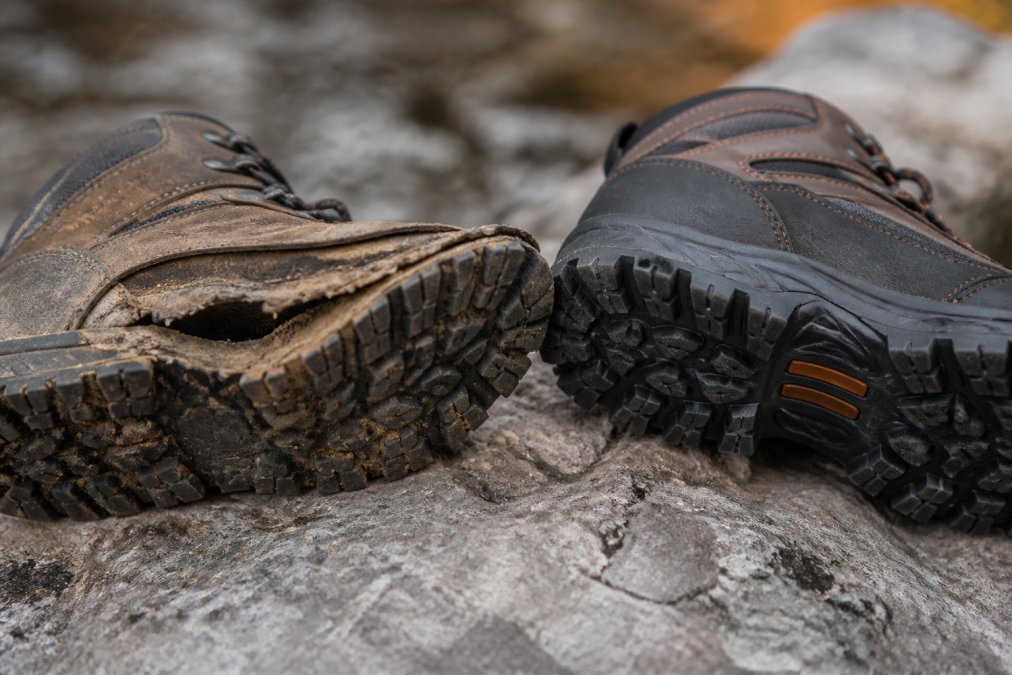
Quality boots last 300-500 miles before the sole separates at the heel or toe, the insole compresses, and tread depth becomes dangerously shallow. Minor heel wear can sometimes be resoled by a professional cobbler, but once the midsole is compressed or the upper leather is cracked, replacement is more economical. Waterproofing also degrades, boots that once shed rain absorb moisture into the insulation layer, which dries slowly and loses thermal properties.
Tent and Shelter Degradation
UV exposure breaks down fabric fibers, creating brittle patches that tear easily. Seam sealing fails gradually, starting with small drips during heavy rain. Delamination occurs when the waterproof coating separates from the fabric base, usually at stress points like corners or pole attachments. A tent is worth repairing if damage is localized to one seam or a small tear in non-critical areas. Multiple failing seams, significant UV damage, or structural pole issues signal replacement is more sensible than patching.
Backpack Frame and Strap Failure
Cracked or bent aluminum frames, snapped plastic frames, and torn load-bearing straps make packs unusable for serious trips. Once the frame is compromised, the pack cannot distribute weight properly, creating back strain. Strap failures are sometimes repairable, but cracked frames typically mean the pack's structural integrity is gone. Professional frame replacement often costs more than a new pack.
Repair vs. Replace: Making the Right Decision
Assess three factors: remaining useful life, repair cost relative to replacement cost, and performance degradation.
Assessing Repair Feasibility
A single torn seam in a tent is repairable; multiple failing seams suggest the fabric itself is degrading from UV exposure, meaning more failures will follow. A broken zipper slider can be replaced; a corroded or bent zipper coil cannot be reliably fixed. Consider damage location, repairs on high-stress areas like tent bases or backpack hip belt attachments are more likely to fail again. Professional repair specialists can assess feasibility better than DIY attempts and understand fabric properties and stitching durability.
Cost-Benefit Analysis
Request quotes for both repair and replacement before deciding. Professional seam resealing on a tent or sole replacement on boots can cost 40-60% of a new item's price. If your gear is old and will need multiple repairs within the next year or two, replacement becomes economically smarter. Modern boots have better cushioning and breathability; current tent fabrics shed water more effectively; new backpacks have ergonomic improvements that reduce strain. Repairing gear you'll use for several more years is more sustainable than replacing it, but replacing worn equipment with modern gear that lasts longer can reduce your overall consumption over a decade.
Understanding Outdoor Gear Warranty Programs
Most quality outdoor gear includes a manufacturer warranty covering defects in materials or workmanship. Understanding what your warranty covers prevents unnecessary replacement and ensures proper coverage when something fails prematurely.
Manufacturer Coverage and Claims
Warranties typically cover manufacturing defects, seams that separate due to poor stitching, zippers that fail due to manufacturing flaws, or frames that crack due to material defects. They don't cover damage from normal wear, misuse, modifications, or environmental exposure over time. The key distinction is between defect and degradation. Defects are present at manufacture or emerge early due to poor construction; degradation is the natural result of use and time.
When filing a warranty claim, provide proof of purchase and photographs showing the failure. Describe when the failure occurred and under what conditions. Manufacturers want to know if a failure happened during normal use or extreme conditions.
Warranty Registration and Documentation
Many manufacturers require warranty registration to activate coverage. Keep your original receipt and any purchase documentation. If you buy gear secondhand, check whether the warranty transfers to the new owner. Document your gear's condition with photographs when you purchase it, creating a baseline showing what normal wear looks like. If a failure occurs, you can compare current damage to the baseline, making it easier to prove the failure is a defect rather than gradual degradation.
Common Repairs Before Full Replacement
Many common problems can be fixed affordably and reliably, extending your gear's life by years.
Zipper Replacement and Seam Sealing
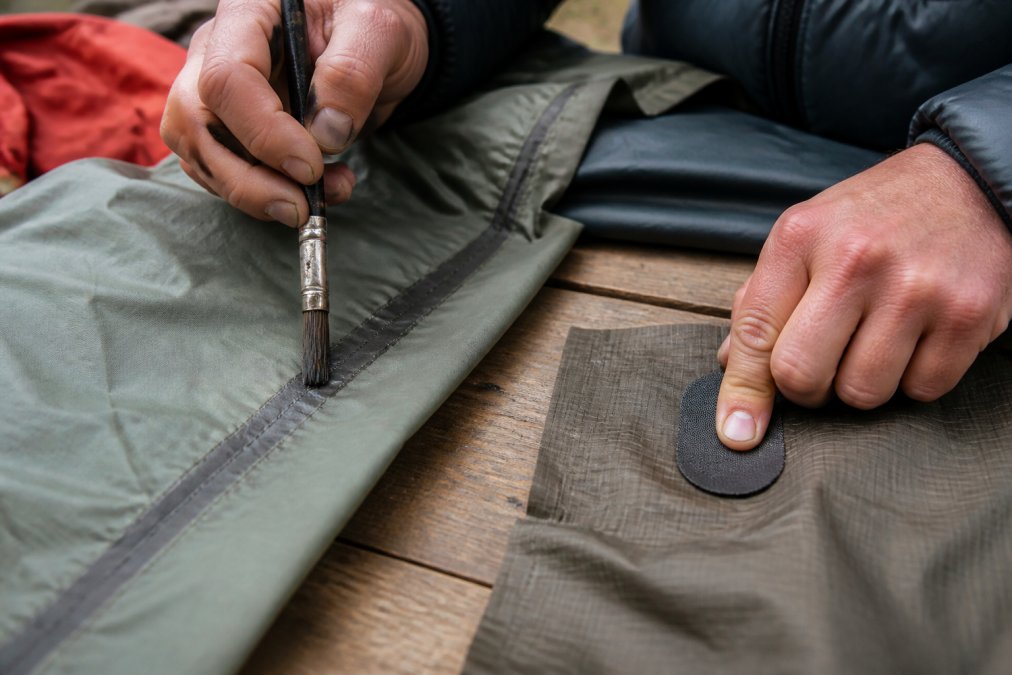
A broken slider can be replaced with a new one from a repair kit for a few dollars in 15 minutes. Seam sealing restores waterproofing to tent seams and backpack panels. Professional seam sealing on a tent typically costs $50-150 and lasts 3-5 years. DIY seam sealing using products like Seam Seal or Aquaseal is cheaper but requires careful application to avoid drips or uneven coverage.
Patching Fabric Tears and Tent Mesh
Small tears in tent fabric or mesh can be patched with adhesive patches or by sewing. Adhesive patches work best on clean, dry fabric without wrinkles or dirt. Patches typically hold for years if applied correctly, though they may eventually peel at edges if the tent flexes heavily. Sewing patches is more durable, especially for high-stress areas. Patches on the tent floor are more likely to fail than patches on the upper canopy.
Boot Sole Repair and Waterproofing
Boot sole separation can be reglued if caught early. Professional boot repair shops use specialized adhesives and clamping systems to reattach soles, typically costing $40-80 and extending a boot's life by 1-2 years. Once the midsole is compressed or the adhesive has aged significantly, regluing rarely holds long-term. Waterproofing treatments restore water resistance to leather and fabric uppers and require reapplication every 6-12 months depending on use intensity.
Using Outdoor Gear Repair Services
Professional repair services exist for nearly every type of outdoor gear.
Finding Professional Repair Specialists
Most outdoor gear manufacturers maintain lists of authorized repair centers. Contacting the manufacturer directly is your best starting point. They can recommend specialists in your area or provide mail-in repair options. Independent repair shops specializing in outdoor gear also exist in most regions.
What to Expect from Professional Services
Professional repair begins with assessment. The specialist examines your gear, identifies all damage, and provides a written estimate. Simple repairs like zipper replacement might take a few days; complex repairs like frame replacement might take 2-4 weeks. Most professional repairs come with a limited warranty, typically 6-12 months, covering the repair work itself but not subsequent wear or damage.
How to Recycle Old Camping Gear Responsibly
When gear reaches the end of its life and repair isn't viable, responsible disposal minimizes environmental impact.
Donation and Secondhand Options
Gear that's still functional can be donated to outdoor clubs, youth organizations, or charities. Scouts organizations, outdoor education programs, and wilderness therapy centers often accept donated gear. Secondhand marketplaces like REI's used gear section, Facebook Marketplace, or Craigslist give gear a second life with new users. Document the condition honestly when selling or donating to ensure the gear goes to someone who can use it appropriately.
Proper Disposal and Environmental Impact
When gear cannot be repaired or reused, proper disposal depends on material composition. Nylon, polyester, and aluminum components can often be recycled through municipal recycling programs or specialty recyclers. Contact your local waste management facility to ask about options for outdoor gear. Avoid sending gear to landfills if possible, synthetic fabrics take decades to decompose, and aluminum frames never fully degrade. By extending gear life through repair and thoughtful reuse, you reduce your overall consumption footprint.
Preventative Maintenance to Extend Gear Life
Simple habits during storage and use can double or triple your equipment's lifespan.
Storage and Seasonal Care
Tents should be stored clean and dry in a cool, dark place. Never store a wet tent; moisture promotes mold and mildew growth. Air-dry your tent completely before packing it away. Backpacks should be stored empty and away from direct sunlight. Boots need to be cleaned after muddy trips and allowed to dry slowly at room temperature. Store boots with newspaper or boot trees inside to maintain shape. Apply waterproofing treatment annually before the hiking season. Sleeping bags should be stored loosely, never compressed in their stuff sacks, as compression degrades insulation loft over time.
Field Maintenance and Quick Repairs
Address small problems immediately to prevent them from becoming major failures. If you notice a seam leaking during a trip, apply a seam sealer patch inside the tent. If a zipper sticks, apply graphite powder or specialized zipper lubricant. Inspect gear regularly during trips and carry a basic repair kit on extended trips: needle and thread, adhesive patches, seam sealer, spare zipper slider, and waterproofing wipes. Clean gear after trips, especially after exposure to saltwater, sand, or mud. Rinse zippers with fresh water and work them back and forth to remove sand.
Worn outdoor gear doesn't have to end your adventures. The decision to repair or replace depends on honest assessment of damage severity, remaining useful life, and cost-effectiveness. When replacement is necessary, GreatAdventureSupply offers carefully selected gear built to perform in real conditions, durable backpacks with reinforced frames, tents with reliable seam construction, and boots engineered for extended backcountry use. Start your next adventure with equipment you can trust. Browse our curated outdoor collections and find gear that lasts.
Frequently Asked Questions
How do I know when it's time to replace worn outdoor gear instead of repairing it?
Replace gear when repairs exceed 50% of replacement cost, when structural integrity is compromised (frame bends, seams separate repeatedly), or when the item fails to perform its primary function safely. For boots, replace when sole separation is severe or cushioning is completely compressed. For tents, replace when waterproofing fails despite resealing or when multiple seams are delaminating. Assess whether one more season of use justifies the repair expense.
What should I do with old camping gear instead of throwing it away?
Donate functional gear to outdoor clubs, youth organizations, or schools. Sell used equipment through secondhand platforms or local marketplaces. Check if manufacturers accept gear for recycling programs. Many synthetic fabrics and metals can be recycled through specialized facilities. Contact local waste management to find textile and metal recycling options. Some outdoor retailers accept worn gear for trade-in credits toward new purchases.
Does outdoor gear warranty typically cover normal wear and tear?
Most outdoor gear warranties cover manufacturing defects but exclude normal wear and tear from regular use. Warranty coverage typically applies to the first 1-3 years and requires proof of purchase. Delamination, zipper failure, and seam separation may be covered depending on the manufacturer. Always register your gear and keep documentation. Read the specific warranty terms, as coverage varies widely between brands and product types.
Can I repair synthetic fabrics on modern outdoor gear myself?
Yes, many synthetic fabric repairs are DIY-friendly. Use adhesive patches for small tears (under 2 inches) on nylon or polyester. Apply seam sealer to waterproofing issues and resealing. Replace zippers using a repair kit if the slider is damaged. For larger tears, delamination, or complex repairs, professional seamstresses experienced with technical apparel yield better results. Always test adhesives and patches on inconspicuous areas first to ensure compatibility with your specific gear.
This article was written using GrandRanker


